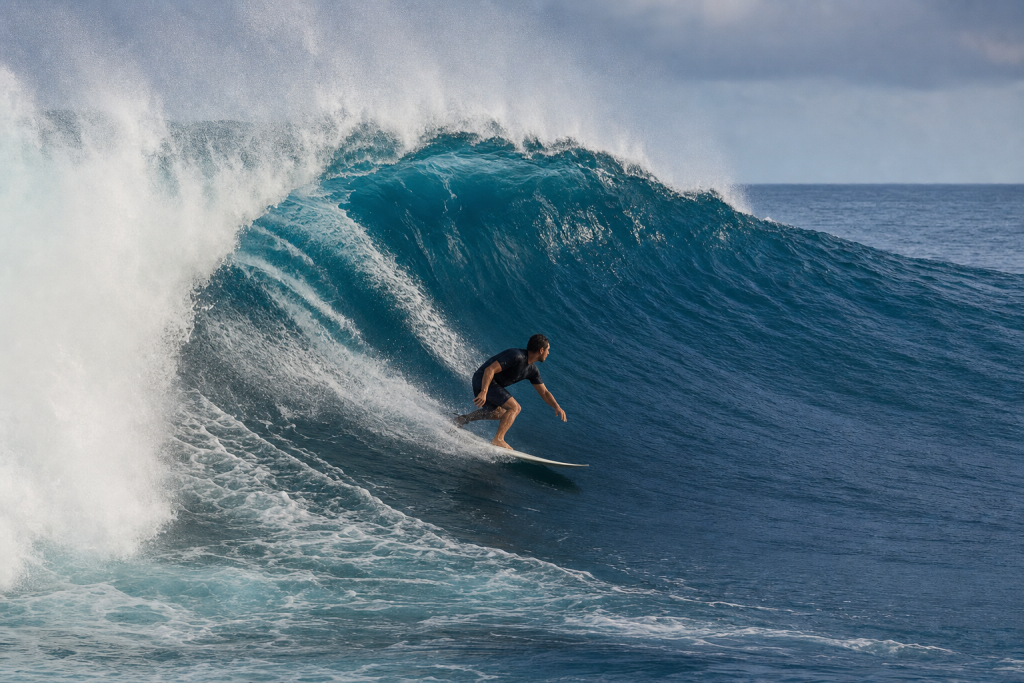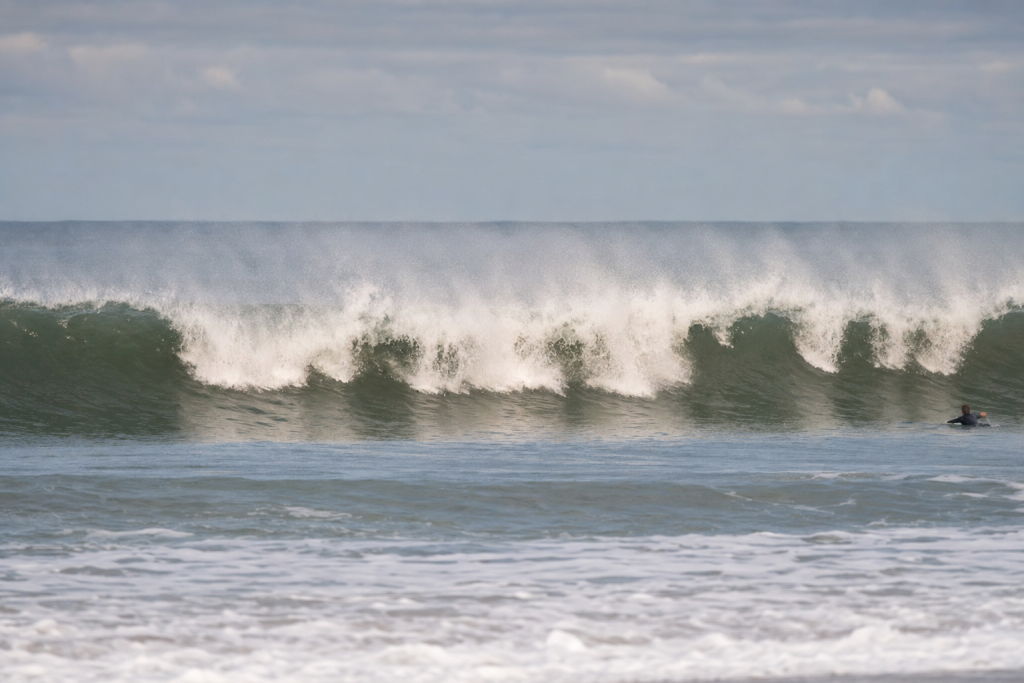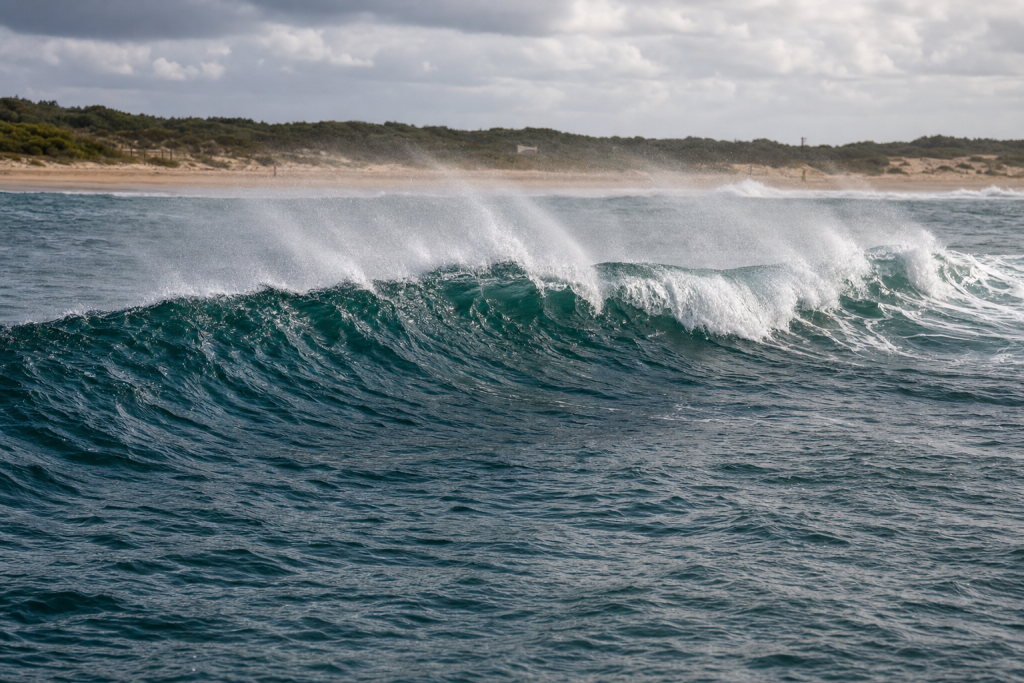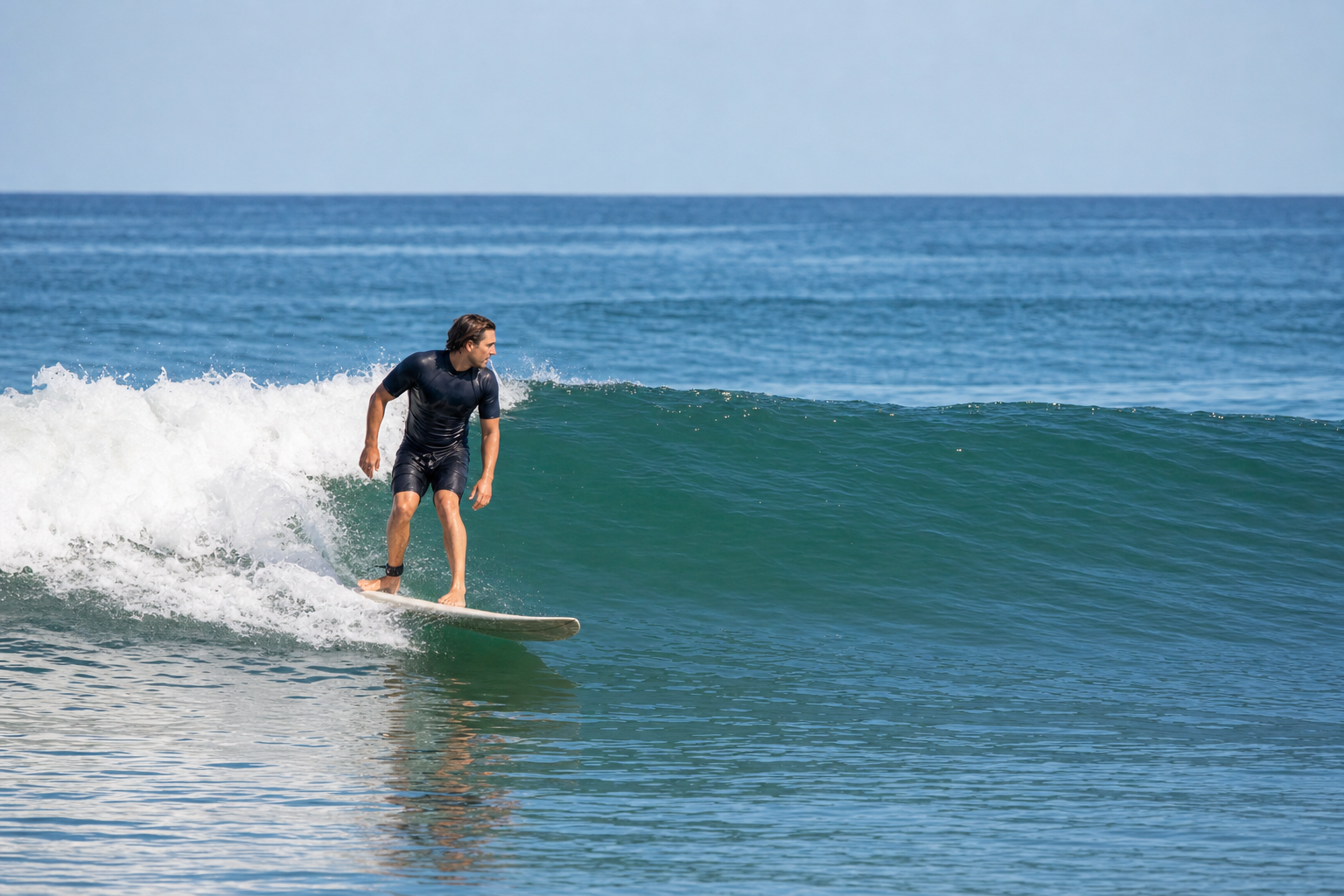
Some waves just invite you in. They rise gradually, break in an orderly line, and give you enough time to paddle, pop up, and start trimming before anything dramatic happens. Surfers often describe these waves as soft, mellow, or forgiving, and for good reason. They are the best classroom for beginners, the best playground for longboarders, and often the most stylish canvas in surfing when conditions line up just right. Having the right gear for these conditions matters too. A reliable surfboard leash keeps your board close during wipeouts, and a good coat of cool-water surf wax helps you stay planted on the deck throughout the session.
What makes easy-to-surf waves easy?
Easy-to-surf waves are not simply small waves. A small wave can be a dumping, impossible mess, while a shoulder-high point wave can be smooth and simple to ride. The easiest waves combine a manageable size with a predictable shape, a gentle breaking pattern, and enough push to keep a board moving without overwhelming you. In simple terms, an easy wave has three main qualities: it breaks gradually rather than exploding all at once, it peels along the beach, reef, or point so the surfer has a clean open face, and it has moderate power that helps you catch it without immediately outrunning you. That balance between soft enough to be forgiving and strong enough to actually ride is what separates a quality mellow wave from a mushy, frustrating one.
Choosing the right equipment makes a real difference in mellow surf. Fins play a bigger role than many surfers expect, and a set of FCS tri fins can help you find better drive and flow on slower, softer waves. If your board runs a different system, Futures-compatible fins are worth considering for the same reasons.
The shape of easy-to-surf waves
A rounded peak and a friendly takeoff
Easy-to-surf waves usually have a rounded peak rather than a sharp, pitching lip. The face rises slowly, giving you time to paddle in before the wave breaks. Instead of a sudden vertical drop, the takeoff feels sloped and controlled. This is one reason mellow waves are popular with longboarders. A longer board can glide into the wave early, trim across the shoulder, and stay connected to the pocket without needing a steep face to generate momentum.
A peeling shoulder with a clear direction
The most surfable easy waves peel left or right in a predictable way. The breaking part of the wave moves down the line while the unbroken face stays open beside it. That open face is the shoulder, and it is where most of the riding happens. A good mellow wave does not need to be perfectly mechanical. It can have soft sections, reforms, and flatter stretches. What matters is that the wave continues to offer a rideable path instead of closing out across its full length.
A spilling lip instead of a throwing lip
The lip is the top part of the wave as it breaks. On easy-to-surf waves, the lip usually spills down the face as whitewater. On harder waves, the lip throws outward and creates a hollow barrel. A spilling lip is more forgiving because it releases energy gradually. The wave still has push, but the surfer is not forced into a late drop or a fast line immediately after takeoff.
Power, speed, height, steepness, and hollowness in easy-to-surf waves
Power: enough push without too much force
Easy waves have moderate power. They are strong enough to catch and ride, but they do not demand instant reactions. The best soft waves push from the base and keep a board gliding across the face without overwhelming the rider. A wave can become too soft when it breaks in water that is too deep or when the swell is too small for the bottom shape. These waves may roll beneath surfers without breaking properly, or crumble without creating a usable face.
Speed: slower sections and readable lines
Slow waves give surfers time to think. The shoulder does not race away too quickly, and the pocket remains accessible. This makes it easier to angle the takeoff, set a trim line, and make small adjustments mid-ride. Wave speed depends heavily on water depth, seabed shape, and swell period. Long-period swell can move quickly across shallow reefs, while a wrapped swell at a point break can slow down and become much easier to read.
Height: small to medium is usually easiest
The easiest surf is often between knee-high and shoulder-high on the face. For beginners, waist-high waves with gentle whitewater are ideal. For improving surfers, chest-high to head-high mellow waves can offer more room for trimming and turning. Height alone does not determine difficulty, though. A head-high wave at a soft point break may be easier than a waist-high closeout on a steep beach. Still, as waves get larger they usually gain speed and power, which makes timing, positioning, and board control more demanding.
Steepness: sloped faces are more forgiving
Easy-to-surf waves have a sloped face. The board can enter the wave early and the surfer can stand up without dropping straight down a steep wall. Too little steepness creates its own problem, though. If the face is very flat, the board may not accelerate enough, and the surfer has to work harder to stay in the wave’s energy. This is common in weak, high-tide surf and on waves breaking too far out in deep water.
Hollowness: less hollow usually means easier
Most easy waves are not hollow. They may have a soft lip, a crumbly top, or a rounded shoulder. A little steepness can make a wave more fun, but a strongly hollow wave usually requires faster paddling, sharper timing, and better line selection. That does not mean hollow waves are inherently better. Many of the world’s most enjoyable longboard waves are almost never hollow, and their quality comes from length, rhythm, and clean peeling shape.
The bottom structure behind easy-to-surf waves
Gradual seabed gradients create softer waves
The seabed gradient is one of the biggest factors determining whether a wave feels easy or difficult. When swell moves from deep water into shallow water, it slows down and grows taller. If the bottom rises gradually, the wave has time to organize and break slowly. If the bottom rises abruptly, the wave pitches harder. Mellow waves are common over gently sloping sandbars, soft reef platforms, and long point-break shelves. These bottoms spread the wave’s energy across a wider area instead of forcing it all to release at once.
| Bottom feature | Typical effect on the wave | Ease of surfing |
|---|---|---|
| Gradual sandbar | Soft peaks, spilling lips, and reforms | Often easy when the bank is shaped well |
| Long point shelf | Peeling walls with predictable sections | Very easy when the swell angle is right |
| Flat reef platform | Organized lines with gentle breaking zones | Can be easy at the right tide |
| Steep beach | Fast dumping waves and closeouts | Usually harder |
| Shallow ledge | Hollow waves with sudden takeoffs | Usually advanced |
Point breaks often produce the easiest waves
Many easy-to-surf waves are point breaks. At a point break, swell wraps around a headland or bends along a curved bottom contour, creating a wave that peels consistently in one main direction. Because the wave breaks along a long line, it offers a predictable takeoff, a clean shoulder, and plenty of time to adjust. Classic mellow point waves are especially well suited to longboarding because they reward trim and positioning more than explosive maneuvers.
Sandbars can be easy when they are well formed
Beach breaks can also produce easy waves, particularly when the sandbar has a gentle slope and a defined peak. A good beginner-friendly sandbar often creates soft A-frame waves that peak and break both left and right. Beach breaks are more changeable than reefs or points, though. Storms, tides, and seasonal sand movement can reshape the banks quickly, and a beach that surfs perfectly one week may be full of closeouts the next.
How swell direction makes waves easier to surf
The best swell angle creates a peeling wave
Swell direction determines how a wave line meets the coast or bottom contour. If swell hits a straight beach directly, the wave may break all at once. If it arrives at an angle, one part of the wave breaks first and the rest peels down the line. For easy-to-surf waves, the best swell angle is usually not perfectly straight-on. A slight to moderate angle often creates a more useful shoulder. At many breaks, swell arriving 20 to 60 degrees off the main beach angle can help generate a clean peel, though the exact angle that works best depends heavily on local bathymetry.
Wrapped swell can turn powerful surf into soft surf
Wrapping happens when swell bends around a headland, island, or reef. This process reduces power and smooths out the wave, and it can also shift the swell direction so it meets the break at a better peeling angle. This is why some sheltered point breaks are easy even when nearby exposed beaches are much larger. The swell has been filtered, refracted, and slowed before it reaches the takeoff zone.
Too much angle can make waves race
Angle is helpful, but too much of it creates fast, sectiony waves where the shoulder runs away faster than a surfer can generate speed. On a point break, this can mean long walls that look perfect from shore but are difficult to make from behind the peak. The easiest setup is a swell angle that lets the wave peel at a speed that matches the board and the surfer. Longboards handle slower waves well, while shorter boards need a steeper pocket to maintain momentum.
How swell period affects easy-to-surf waves
Short-period swell is weak but forgiving
Swell period is the time between wave crests. Short-period swell, often around 6 to 8 seconds, is usually generated by nearby wind. It tends to be weaker, less organized, and more crumbly. This type of surf can be easy when it is small and clean, and it is often good for first lessons because the waves lack serious push. The downside is that short-period waves may be hard to catch before they break, and the rides are typically brief.
Mid-period swell is often the sweet spot
For many soft and slow waves, a period of about 8 to 13 seconds is ideal. The swell has enough energy to create a rideable face without being so powerful that every section speeds up uncontrollably. This range works especially well for mellow beach breaks, protected points, and soft reef waves. It gives surfers enough push to paddle in early and enough shape to ride the open face comfortably.
Long-period swell can be easy after it wraps
Long-period swell, often 14 seconds or more, carries significantly more energy. On an exposed beach it may create fast closeouts, and on a shallow reef it may become powerful and hollow. At a protected point or inside corner, though, the same swell can wrap, lose some of its raw power, and arrive as a clean peeling line. This is one reason famous point breaks can feel friendly on days when nearby exposed breaks are much more demanding.
Typical tides for easy-to-surf waves
Mid tide is often the most reliable
Many easy-to-surf waves work best around mid tide. There is usually enough water over the bottom to soften the break, but not so much that the wave becomes flat and powerless. Mid tide also tends to give sandbars and reef shelves the right amount of depth to break with a smooth, open shoulder.
High tide can make waves soft or too fat
High tide can improve waves that are shallow, ledgy, or too steep at lower water levels. More water over the bottom slows the breaking process and rounds out the face. However, too much water can make a wave genuinely weak. The swell may roll over a bank without standing up, or break only as a soft crumble near shore. Longboards and foam boards can still work in these conditions, but shortboards often struggle to generate any speed.
Low tide can add shape or make waves dumpy
Low tide exposes more of the bottom, which can make waves steeper and more defined. On some gentle sandbars, this creates better peaks and longer rides. On steep beaches or shallow reefs, it can make waves break too quickly and without a usable shoulder. For soft and slow waves, the best tide depends on how the bottom is shaped. A flat beach may need lower tide to create a rideable face, while a reef may need higher water to become mellow.
Other conditions that make waves easy to surf
Light wind keeps easy waves clean
Wind has a major effect on wave quality. Light offshore wind holds up the face and makes the wave cleaner and more defined. Light onshore wind can be manageable on soft waves, but stronger onshore wind makes the surface bumpy and harder to read. Glass-off conditions are especially good for easy waves. When the surface is smooth, the wave face becomes more predictable, which helps beginners with timing and helps experienced surfers draw cleaner lines.
Consistent sets make learning easier
A wave is easier to surf when sets arrive in a predictable rhythm. Consistency helps surfers understand where to sit, when to paddle, and which waves have the best shape. Inconsistent swell can still produce great waves, but it makes the lineup harder to read and can leave surfers out of position during the lulls between sets.
Reforms can add easy ride time
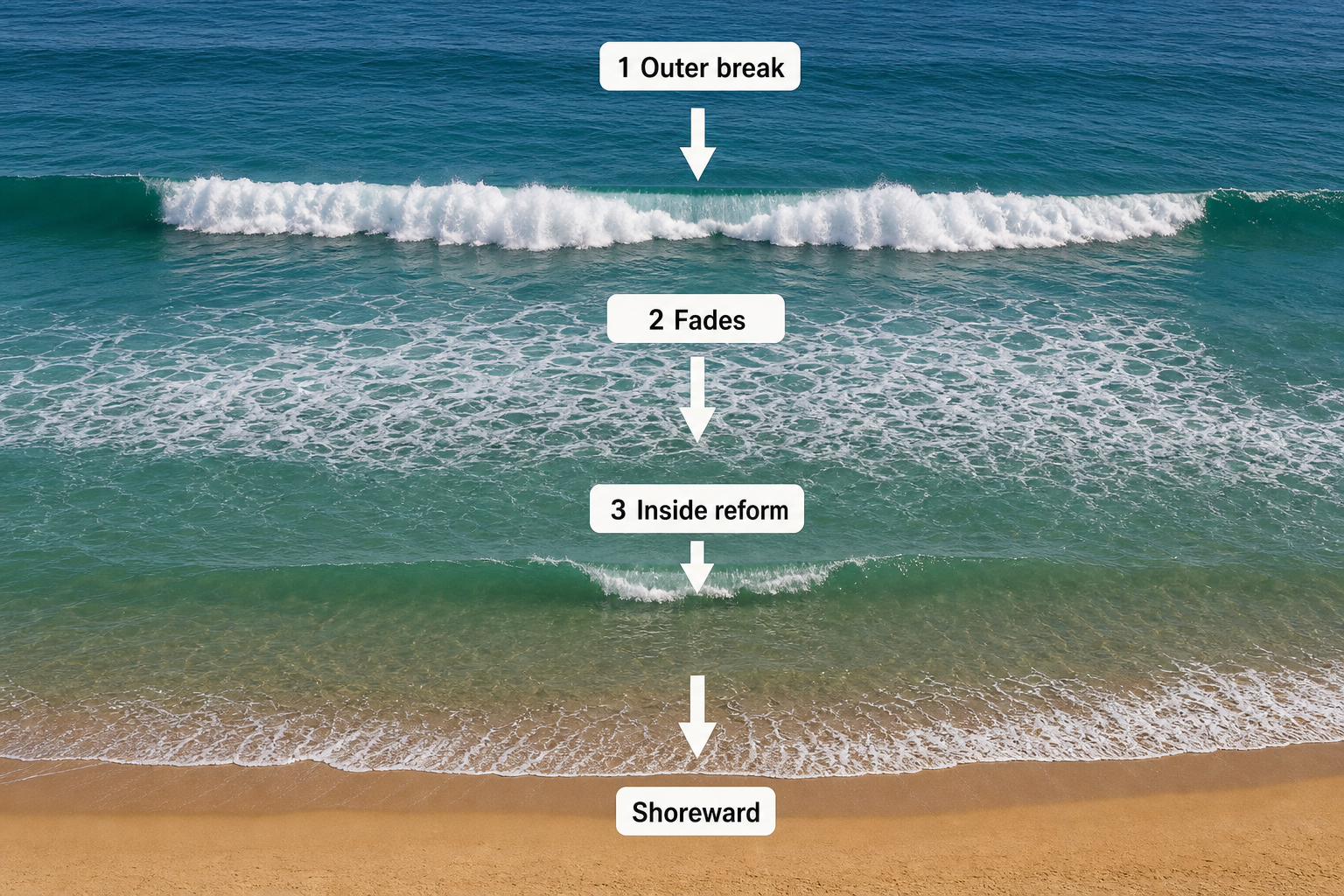
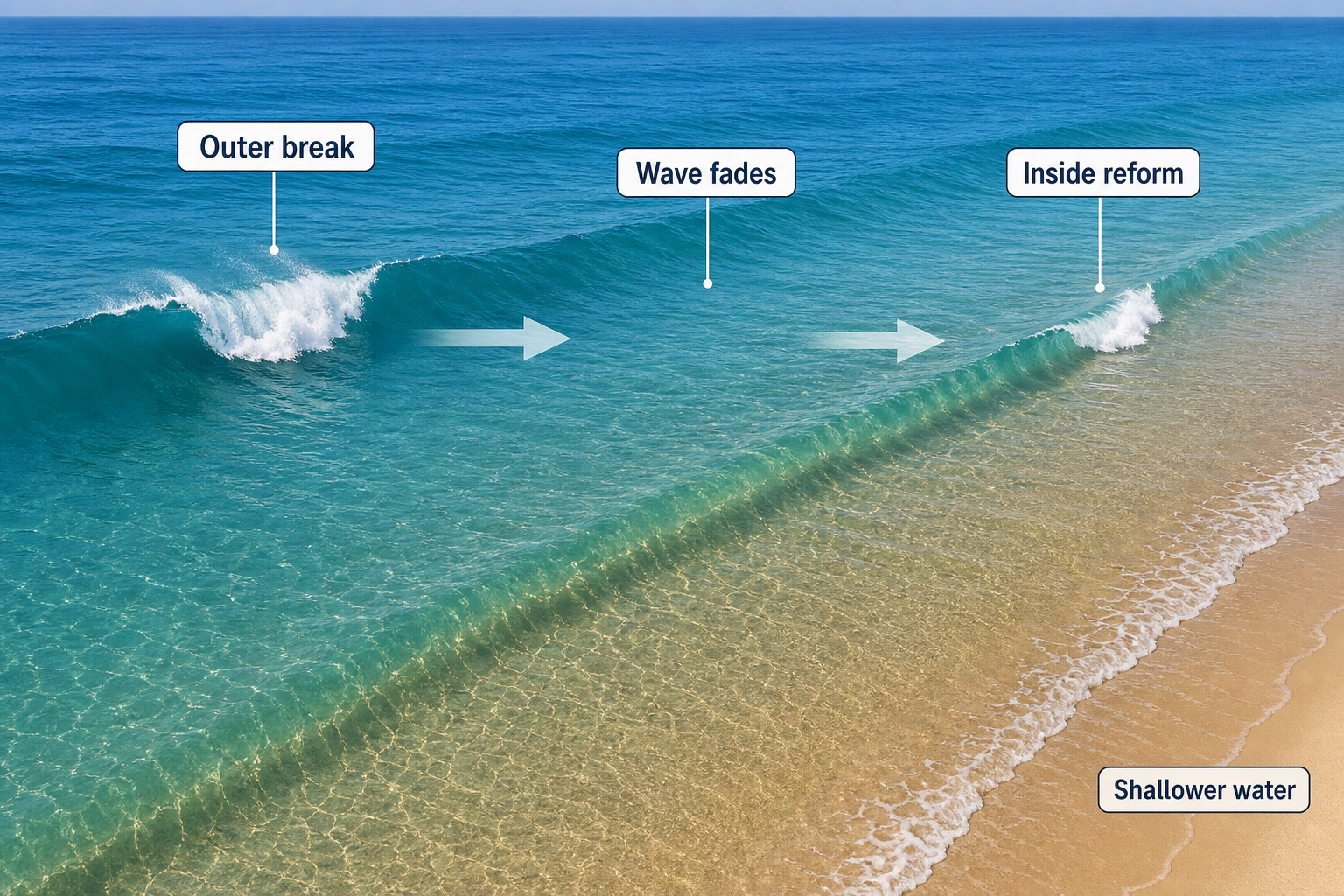
A reform is a wave that breaks, fades, and then stands up again in shallower water closer to shore. Reforms are common on gently sloping beaches and soft point breaks. For beginners, the inside section of a reform is often smaller and slower than the outside break. For longboarders, reforms can extend the ride and add a fun, relaxed trim section at the end.
How to recognize rideable easy waves
Look for a peeling corner
The easiest rideable waves have a visible corner. From shore, watch for the part of the wave that starts breaking first, then look beside it for an open green face. If that face travels left or right before breaking, the wave has a rideable shoulder. A good sign is a feathering line that moves along the crest rather than appearing everywhere at once. Feathering means the lip is just starting to crumble, and on easy waves this tends to happen slowly and evenly.
Watch how previous waves break
Do not judge a break from one wave. Watch several sets. Notice where the best waves peak, how fast they peel, and whether the shoulder stays open long enough for a real ride. Easy waves usually repeat their pattern. The takeoff zone may shift slightly, but the basic shape stays readable. If every wave behaves differently, the surf may be more difficult than it looks.
Identify waves with enough steepness
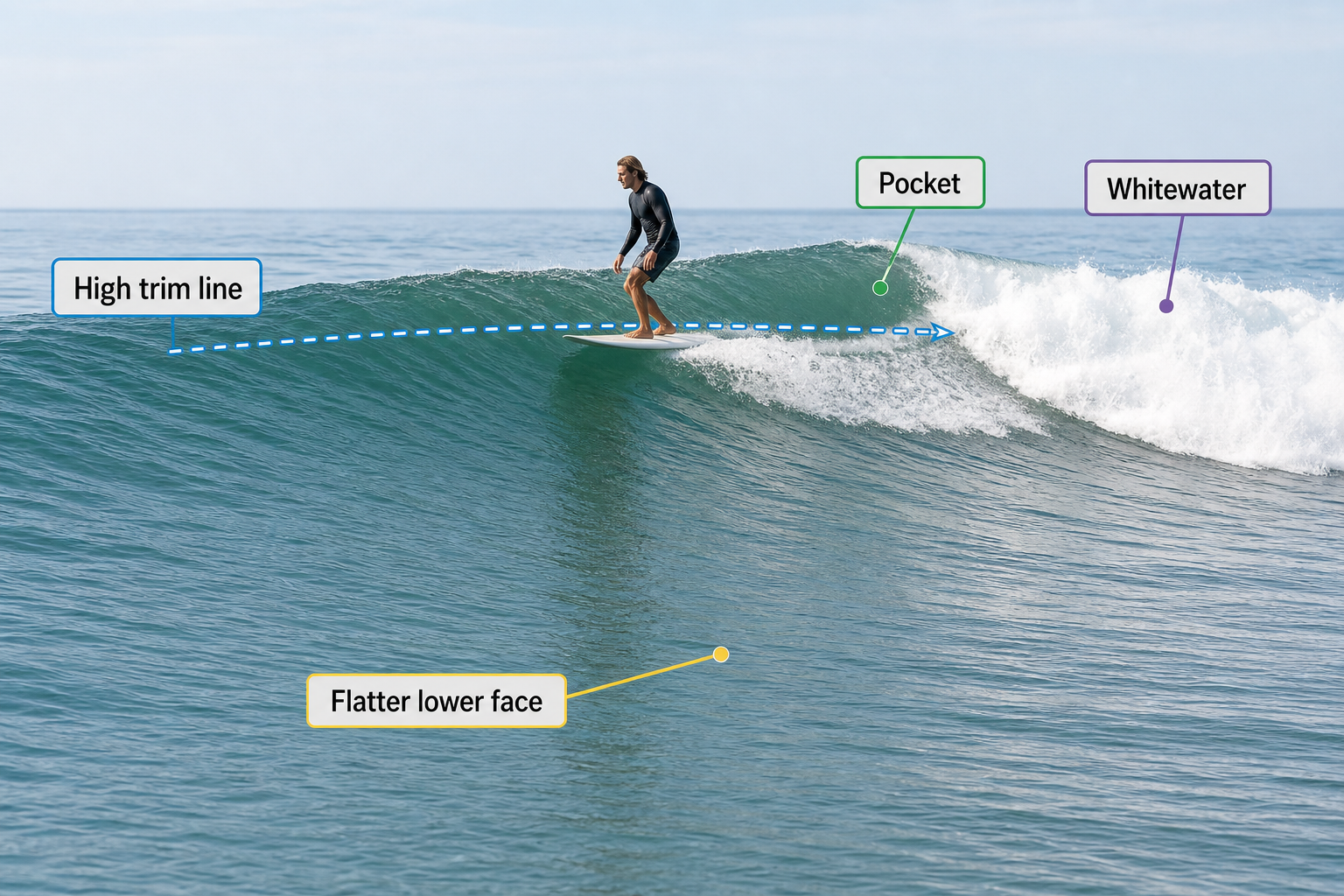
A wave can actually be too soft to ride well. Look for a face that stands up before it breaks. If the wave lifts but never creates a slope, it may pass under the board without enough push to get moving. Even mellow waves need a pocket, which is the slightly steeper section near the breaking whitewater, to serve as the energy source.
How to recognize unmakeable easy-looking waves
Closeouts break all at once
A closeout is the classic unmakeable wave. It may look smooth and inviting as it approaches, but then the entire line breaks simultaneously. There is no open shoulder and no direction to ride. Closeouts are common when swell hits a straight beach directly, or when long-period swell meets a shallow sandbar with no channel or angle to help it peel.
Too-fat waves do not offer a real face
Some soft waves look inviting but never actually stand up. They roll, crumble, and fade without giving the board a slope to work with. A fat wave can be rideable on a longboard, especially when caught early. But if the whitewater dies quickly and the shoulder flattens out, the wave is unlikely to offer much of a ride.
Sectiony waves may be too fast
A sectiony wave breaks in separate parts. Some sections are makeable, while others run too quickly for the rider to connect. From shore, watch whether surfers are making it around the first breaking section. If most people take off and immediately get swallowed by the next breaking part, the wave is less makeable than it appears.
How to surf easy-to-surf waves well
Choose a board that matches the softness
Soft waves reward glide. Foam boards, longboards, mid-lengths, and fish-style boards are often the best choices. Extra length and volume help you paddle early, catch waves before they steepen, and maintain speed through flatter sections. A high-performance shortboard can work if the wave has enough pocket, but in very soft surf, too little volume makes everything harder than it needs to be. Adding a deck traction pad can also improve your grip and stability, especially when the wave catches you off balance in a flat section.
Paddle early and angle your takeoff
On an easy wave, you often have the chance to paddle in before the wave breaks. Start paddling early, build speed smoothly, and match the direction of the peeling shoulder. Angling the takeoff helps you enter the wave already moving down the line. This is especially useful on soft waves because paddling straight toward the beach and then trying to redirect can waste the limited speed these waves offer.
Trim high on the face
Trim means finding the part of the wave where the board glides efficiently without constant turning. On soft waves, this is often higher on the face, just ahead of the whitewater. If you ride too low on a weak wave, the shoulder may flatten before you can climb back up to the pocket. Staying high keeps you close to the wave’s energy source and extends the ride.
Use gentle speed generation
Soft waves usually do not respond well to forced, aggressive surfing. Instead of abrupt turns, use smooth weight shifts and gradual rail engagement. Compress and extend through flatter sections. On a longboard, stepping forward can add trim speed. On a shorter board, small pumps near the pocket help maintain flow without burning through the little speed the wave provides.
Cut back to the pocket
Because easy waves often have slower shoulders, surfers can outrun the energy source fairly quickly. When the face starts to flatten, turn back toward the breaking part of the wave. This is called a cutback, and on mellow waves it is one of the most useful maneuvers you can practice. A good cutback reconnects you with the pocket and turns a short ride into a much longer one. If you want to go deeper on technique like this, a surf technique book can be a worthwhile resource for building a better understanding of how to read and ride these waves.
Famous easy-to-surf wave examples
No famous surf spot is easy every day. Size, wind, tide, and crowds can change the experience completely. That said, the following waves are well known for their mellow shape when conditions are right.
Waikiki, Hawaii
Waikiki is one of the most famous easy-to-surf zones in the world. Breaks like Canoes and Queens are known for long, rolling waves over gentle reef. The waves are typically soft, slow, and ideal for longboarding. If you are visiting a warm-water spot like this, a UPF-rated rash guard is worth packing to protect against long hours in tropical sun.
San Onofre and Doheny, California
San Onofre’s Old Man’s area is a classic Southern California longboard wave. It breaks softly over a cobblestone and sand bottom and has been a gathering spot for laid-back longboard culture for decades. Nearby Doheny is also known for mellow waves that suit learners and relaxed longboarding sessions.
Malibu First Point, California
Malibu First Point is not always easy given how famously crowded it gets, but the wave itself is a model of a smooth right-hand point break. On the right swell, it peels with a soft wall that is well suited to trim, cross-stepping, and flowing turns. When the water cools down in winter, a 3/2mm full wetsuit keeps you comfortable through longer sessions.
Noosa Heads, Australia
Noosa’s points can produce long, clean, user-friendly right-handers. Smaller days at places like Tea Tree Bay and First Point are known for beautiful shape and gentle speed that rewards stylish longboarding.
The Pass at Byron Bay, Australia
The Pass is a long right-hand point-style wave that can be very approachable when small. Its soft peeling shape makes it popular with longboarders, learners, and surfers who just want a relaxed cruise. If you want to capture your sessions here, an action camera mounted to your board or helmet is a great way to review your technique afterward. Pair it with a high-capacity microSD card so you never have to cut a session short to free up storage.
Muizenberg, South Africa
Muizenberg is famous for consistent, gentle beach-break waves. The sand bottom, manageable size, and forgiving whitewater make it one of the best-known learner waves in the Southern Hemisphere. For reef spots in the broader Cape region, reef booties are a sensible addition to your kit.
Weligama, Sri Lanka
Weligama Bay is a well-known destination for beginners and intermediate surfers. The bay shape filters incoming swell and the sand bottom often creates soft, manageable peaks that peel with plenty of time to react.
Batu Bolong, Bali
Batu Bolong in Canggu offers softer reef waves compared with Bali’s heavier breaks. It is popular with longboarders because the wave tends to roll and peel rather than pitch aggressively. On bumpier, more unpredictable days, wearing an impact vest adds a layer of protection during wipeouts over reef, and a surf helmet is worth considering if the takeoff zone gets shallow at lower tides.
La Côte des Basques, France
La Côte des Basques in Biarritz has a long history as a European surf landmark. On smaller days, it can offer soft, friendly waves over sand with a relaxed, longboard-friendly atmosphere. Soft travel dings are common after trips like this, so keeping a surfboard ding repair kit in your bag means you can fix minor damage quickly and get back in the water.
A practical checklist for finding easy-to-surf waves
When reading a surf forecast or checking conditions from the beach, look for the combination of factors rather than one perfect number. Easy-to-surf waves usually come from a balance of swell, bottom shape, and tide working together.
- Wave height: knee-high to shoulder-high is usually the most approachable range.
- Swell period: 8 to 13 seconds is often the sweet spot for soft, rideable waves.
- Swell direction: slightly angled or wrapped swell often creates better peel than direct swell.
- Bottom: gradual sandbars, long point shelves, and soft reef platforms tend to produce easier waves.
- Tide: mid tide is often the most reliable, while higher tide can soften breaks that are too steep at low water.
- Wind: light wind or glassy conditions make the wave face much easier to read.
- Shape: look for waves with an open shoulder and a spilling rather than pitching lip.
The best easy-to-surf waves are not boring. They are readable, balanced, and generous. They let beginners build real confidence while giving experienced surfers room to refine timing, trim, and flow. Once you understand how bottom shape, swell angle, period, and tide work together, you can spot these waves more reliably, prepare the right gear, and surf them with far better results.