
Ocean and Wave Physics
Understand how ocean waves form, move, combine, bend, focus, and break, with clear explanations of the physics that directly affect surf quality.
Learn to forecast surf by combining swell science, wave physics, weather, wind, tides, buoy data, and modern forecasting tools so you can identify better windows before you paddle out.
Understand how ocean waves form, move, combine, bend, focus, and break, with clear explanations of the physics that directly affect surf quality.
Use buoy readings, charts, models, websites, apps, maps, and real-time observations to build more accurate surf forecasts.
Learn how swell height, period, direction, angle, power, and consistency influence wave size, shape, speed, and surfability at the coast.
Explore how storms, wind fields, fetch, distance, pressure systems, and ocean basins create the swells that eventually reach surfing coastlines.
See how local wind, weather patterns, air pressure, tides, currents, and coastal conditions improve or degrade waves throughout the day.
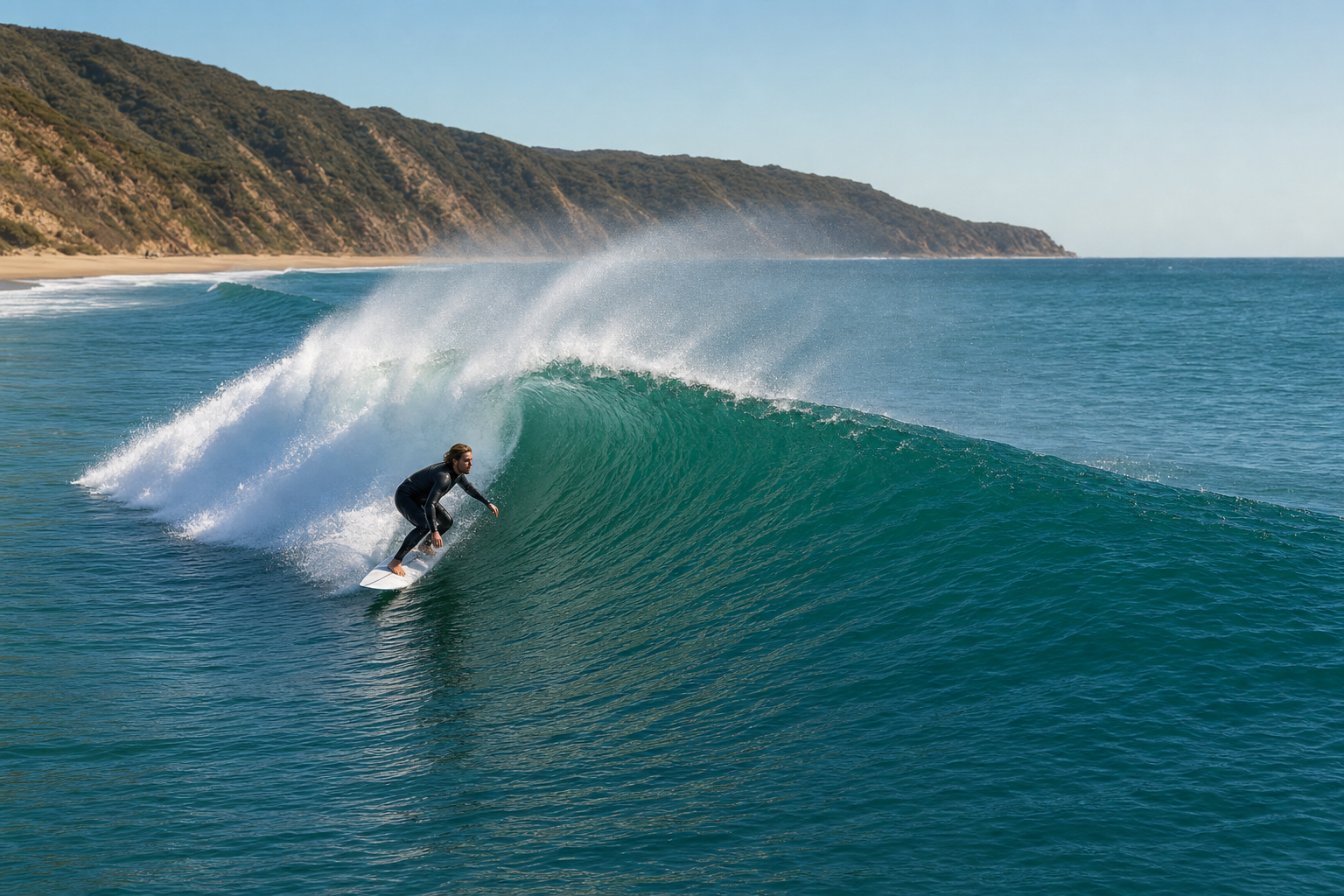
Wind is the invisible hand behind almost every surf session. It creates the swells that travel across oceans, then either grooms those waves into clean, hollow lines or…
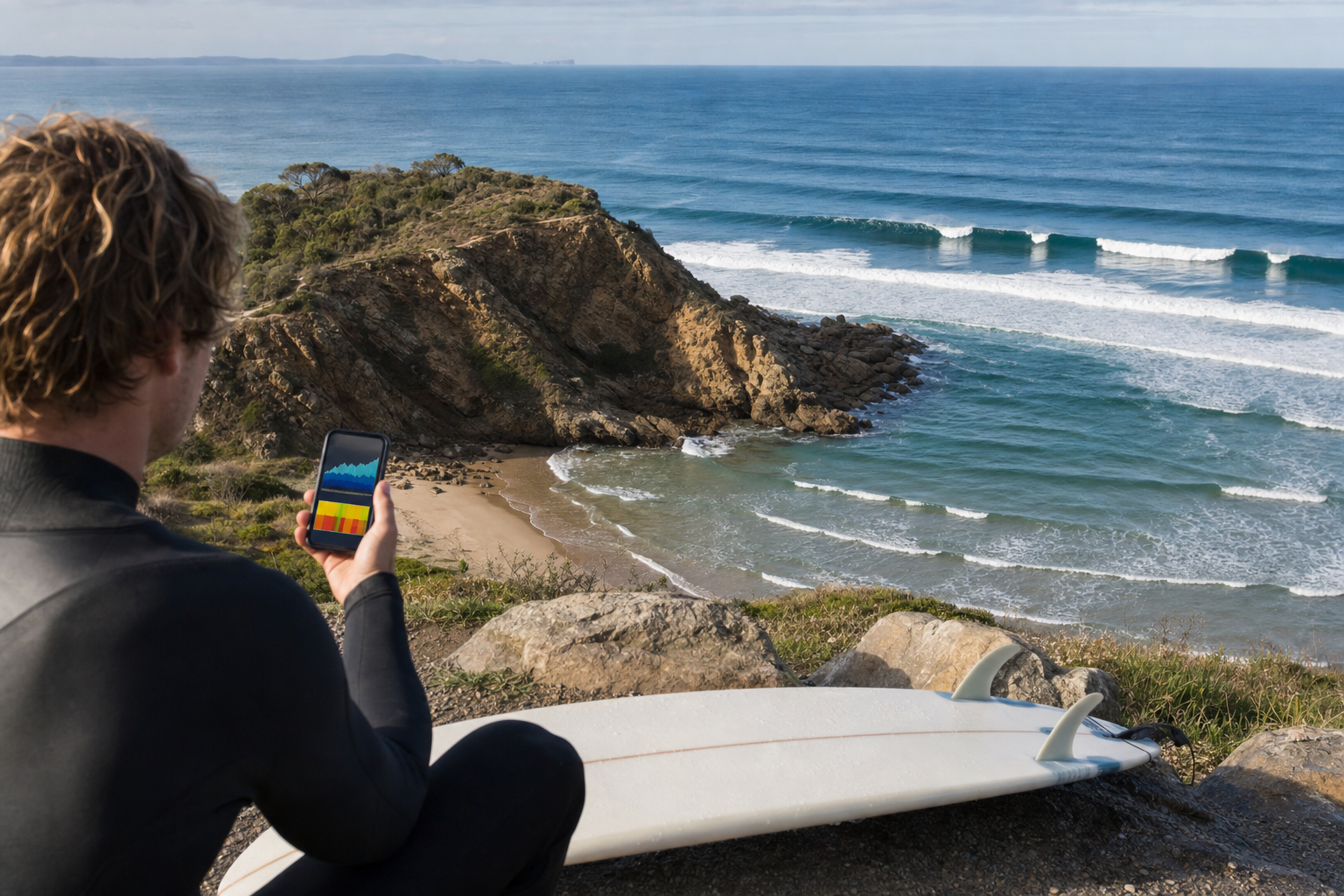
Surf forecasts are remarkably useful, but every surfer eventually learns a humbling truth: a forecast that looks perfect on a screen can turn into weak knee-high surf, and…
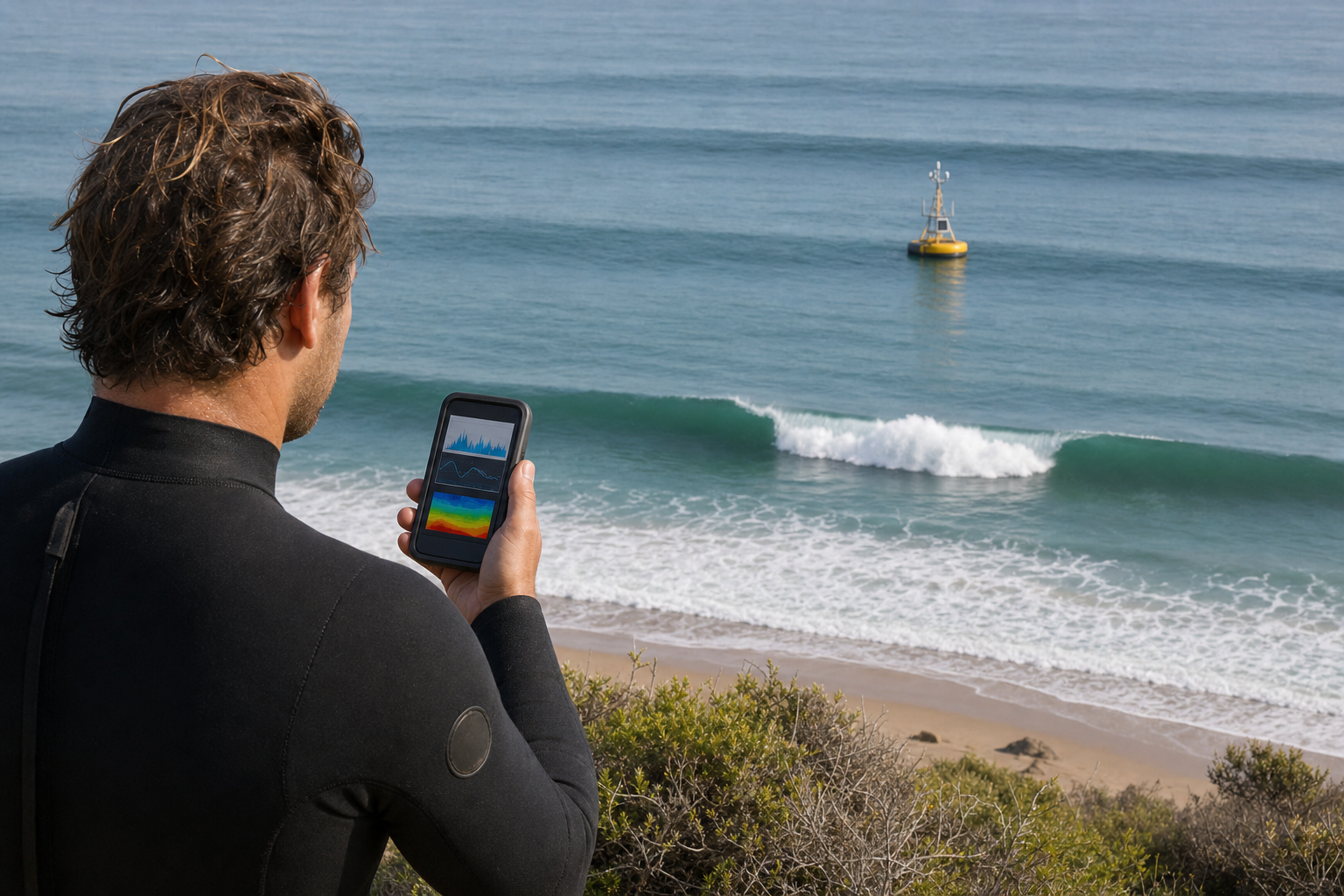
Buoy readings are one of the most useful reality checks in surf forecasting. Forecast models can tell you what should happen, but buoys tell you what is actually…
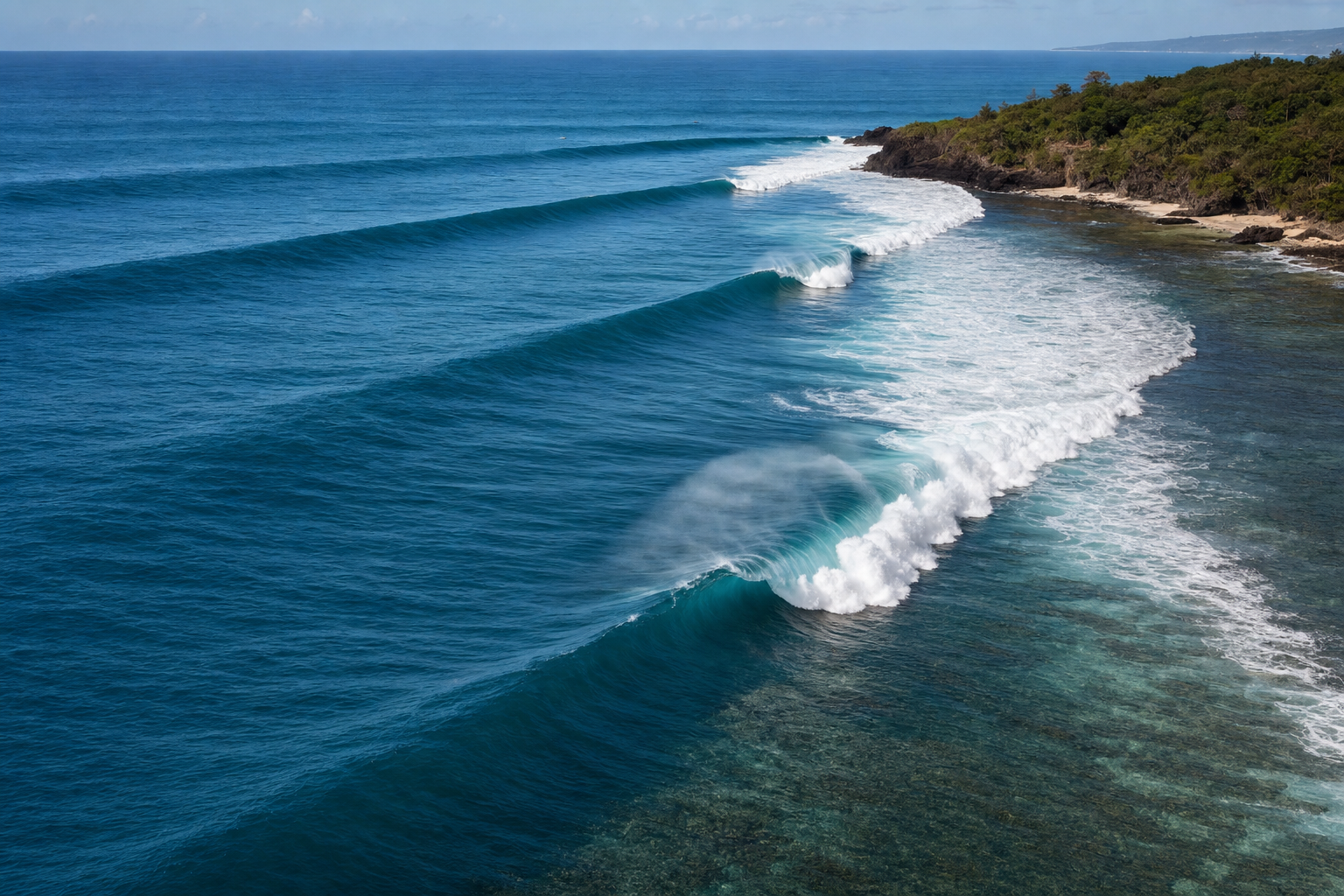
Swell power is one of the main reasons a surf forecast can look straightforward on paper but feel completely different in the water. A buoy might show a…
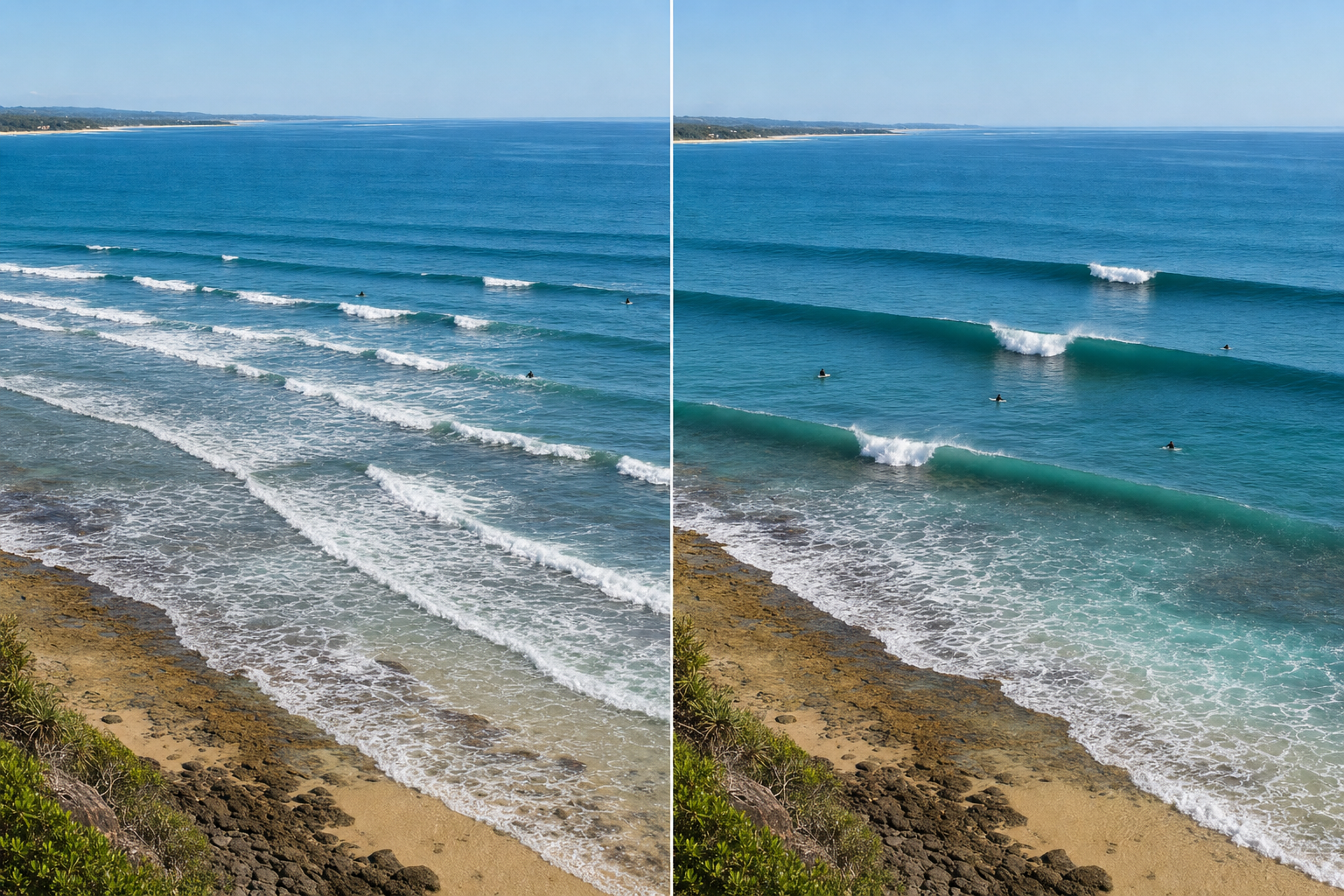
Swell period is one of the most important numbers in a surf forecast, yet it’s often overlooked. Most surfers look first at swell height, but the seconds between…
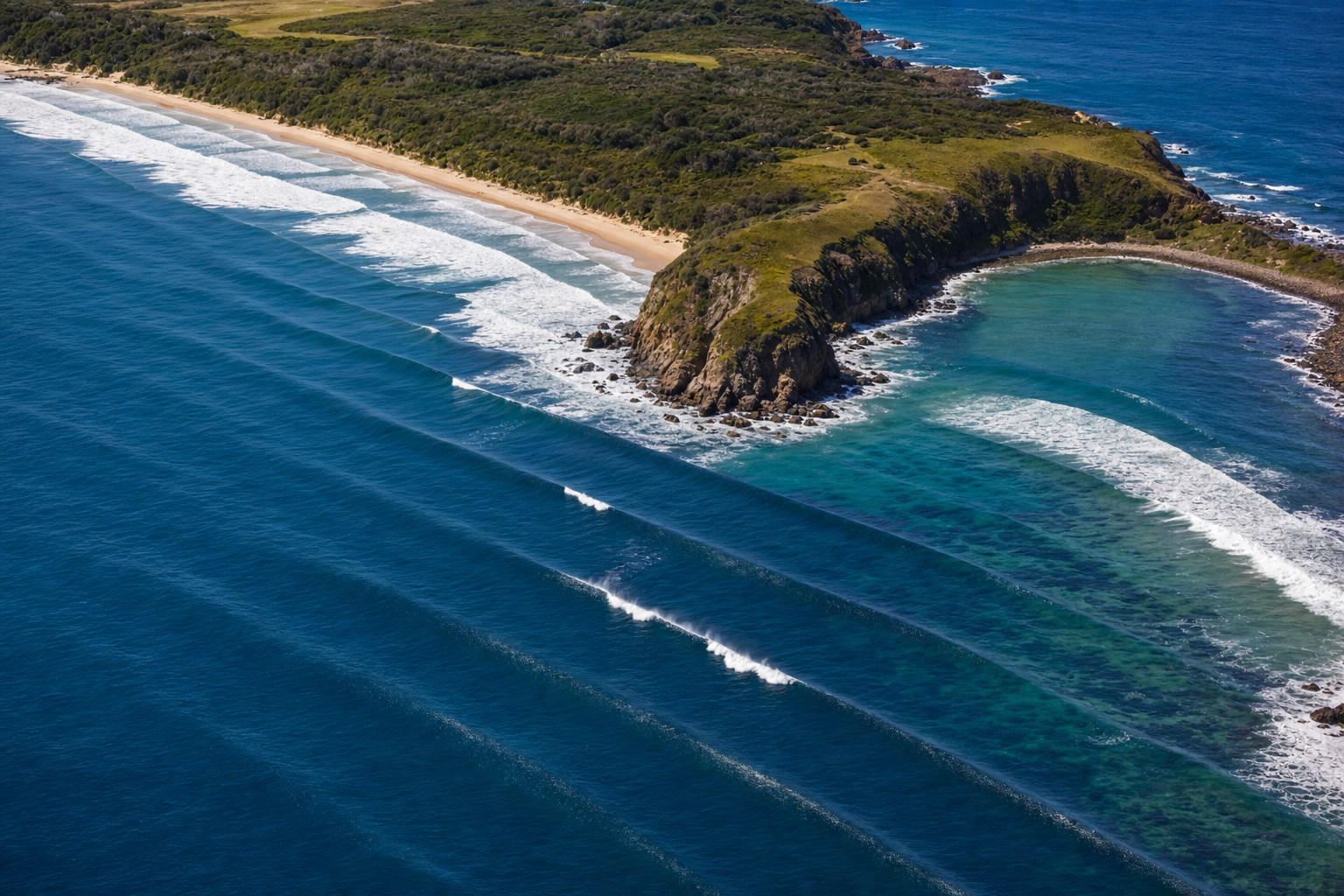
Swell direction is one of the most important factors in surf forecasting. It decides which beaches wake up, which points peel, and which reefs stay inexplicably flat while…
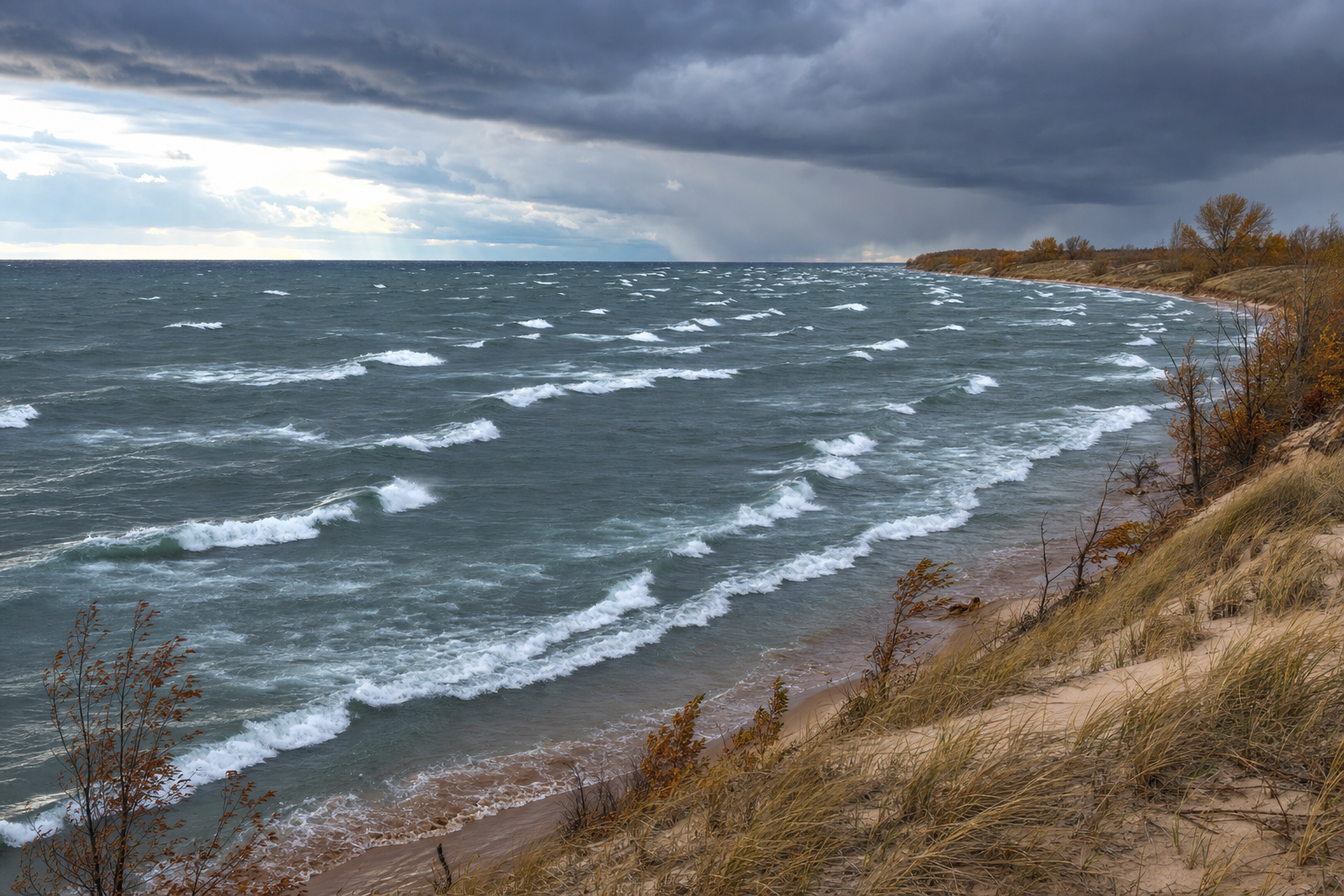
Great Lakes surf is created by weather, not distant ocean storms. Because the lakes are enclosed basins, waves are born close to shore from strong winds blowing across…
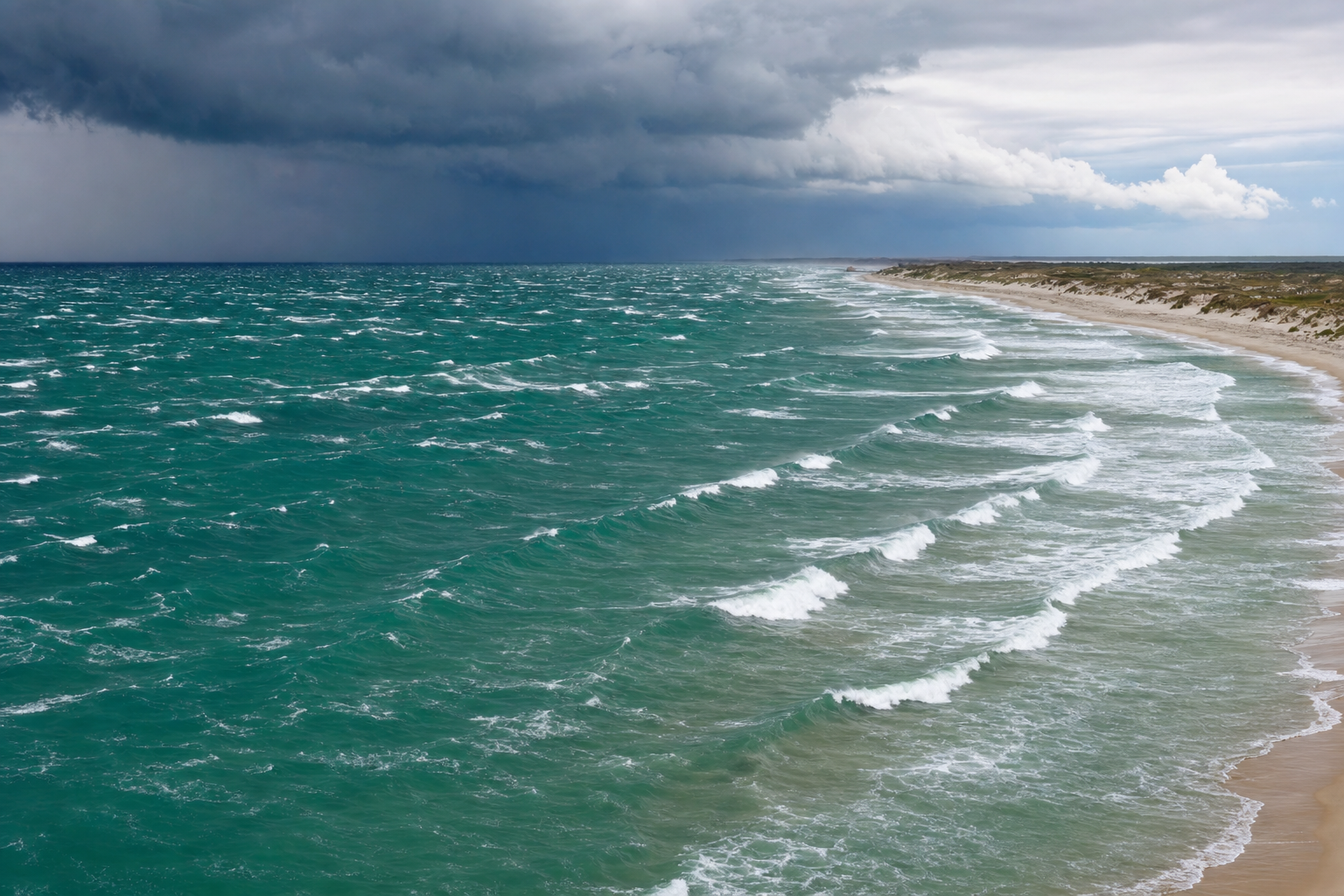
The Gulf of Mexico is a compact, semi-enclosed sea, which makes its surf both fascinating and tricky to forecast. Unlike open-ocean coastlines that receive long-traveled groundswell from distant…
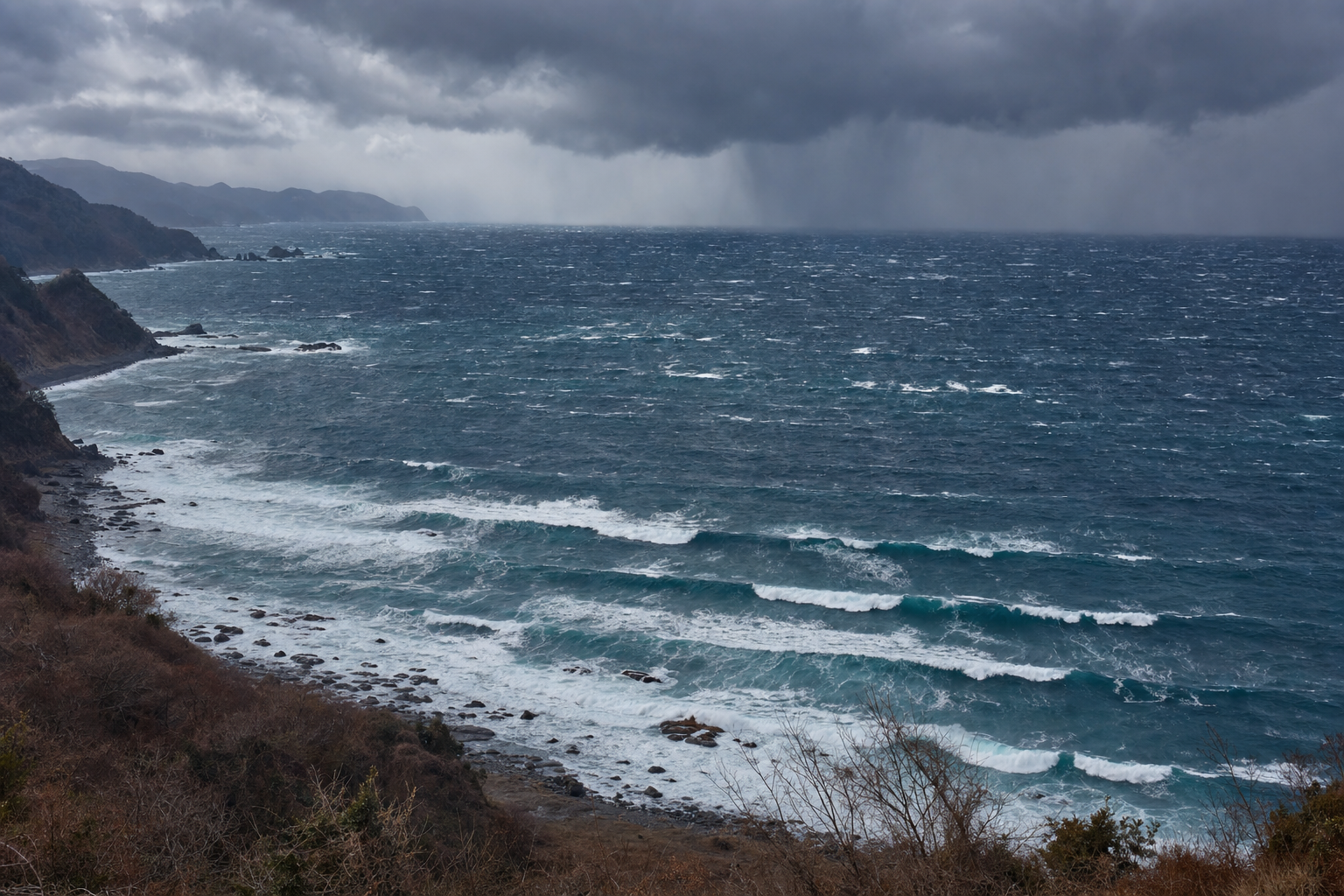
The Sea of Japan can look completely calm one day and transform into a powerful surf zone the next. Unlike the Pacific side of Japan, where long-period groundswell…
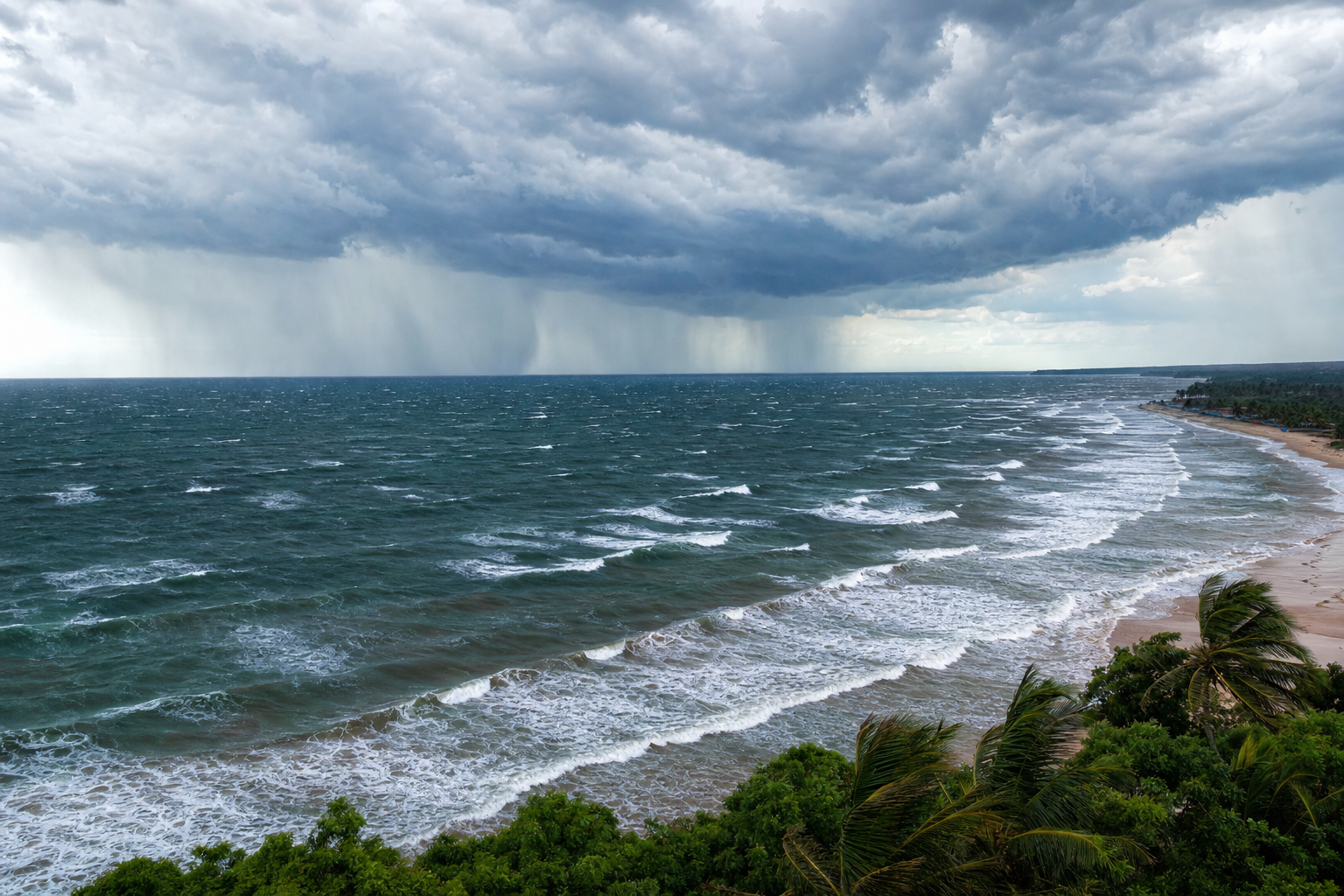
The Bay of Bengal is one of the most dynamic swell-generating basins in the world, but it doesn’t behave like an open ocean. Its waves are shaped by…