
Dangerous Waves
Recognize hazardous wave types, extreme power, unpredictable sections, shallow water, currents, and other conditions that raise surfing risk.
Explore the shapes, speeds, power levels, breaking patterns, and hazards of different surfing waves, from soft peeling walls to hollow barrels, wedges, slabs, and extreme conditions.
Recognize hazardous wave types, extreme power, unpredictable sections, shallow water, currents, and other conditions that raise surfing risk.
Understand steep, high-speed waves and the positioning, equipment, line choice, and timing required to surf them successfully.
Learn how barrels form, what makes them open or close out, and how tide, swell period, angle, and bottom contours affect tube quality.
Learn why waves peel left or right, how sections connect, and what swell angle and bottom shape create long, rideable walls.
Explore the rare alignment of swell, wind, tide, and bathymetry that produces exceptionally clean, powerful, and makeable surf.
Study thick, powerful waves created by abrupt depth changes, including the forecasting, equipment, positioning, and risk management they demand.
Explore mellow, forgiving waves and learn how board choice, positioning, and technique help generate speed on weaker surf.
Understand converging wave energy, reflected swell, split peaks, and the coastal structures that create wedges and A-frame takeoffs.
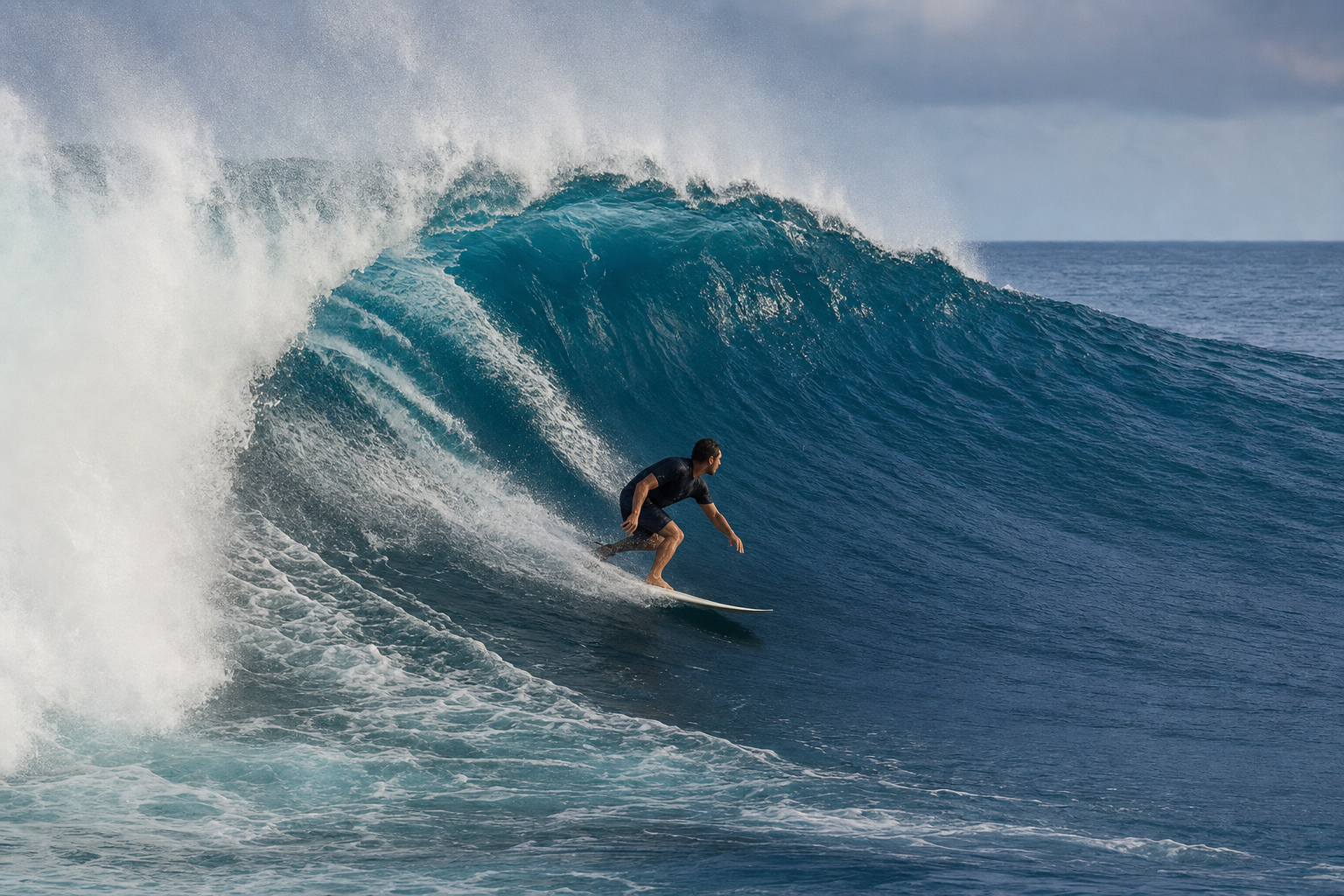
Some waves look inviting from the beach. Others look like they’re trying to fold the ocean in half. The difference isn’t just size. A wave becomes sketchy or…
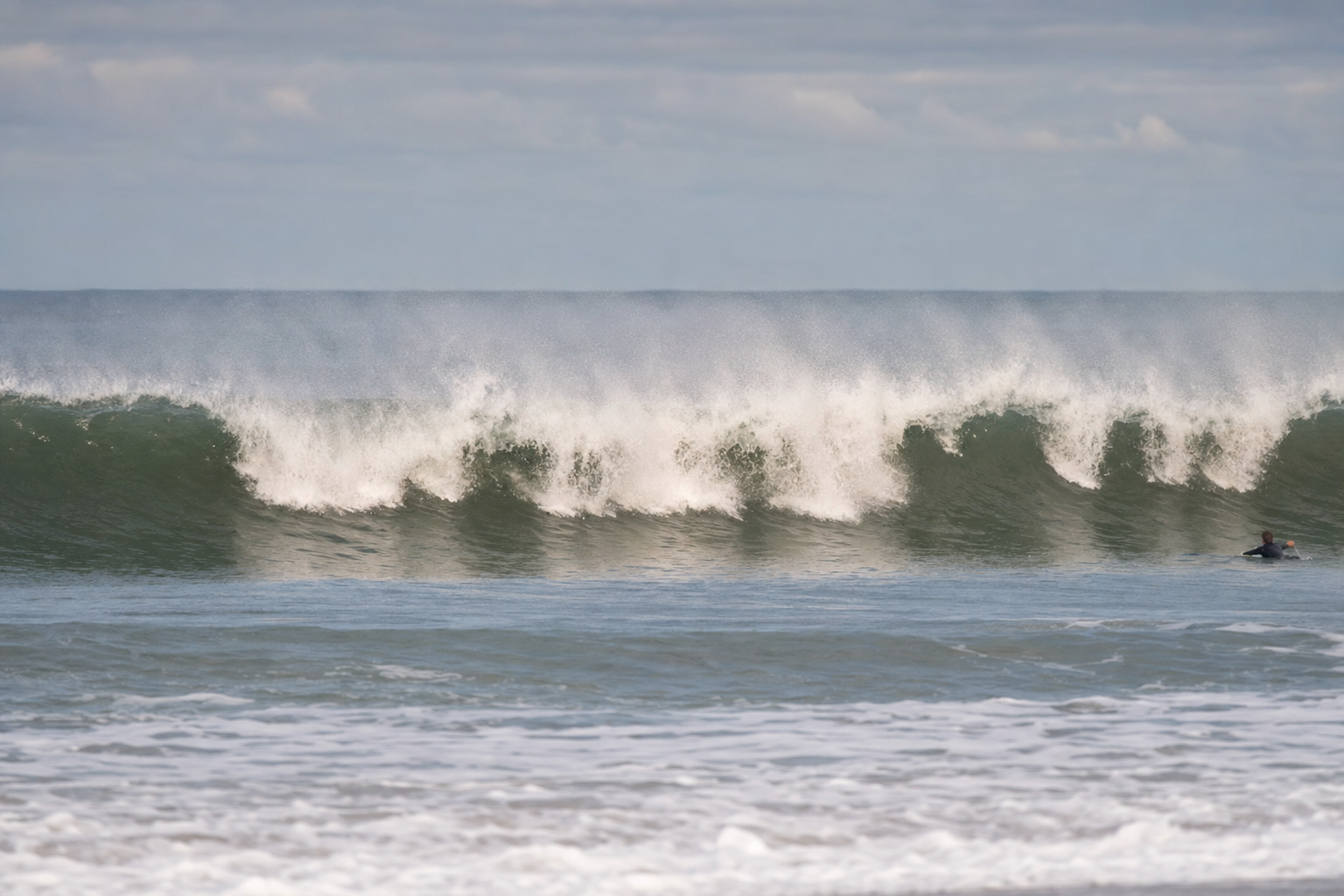
A closeout wave can look perfect for a split second: a clean wall stands up, the lip throws forward, and then the entire thing collapses at once. For…
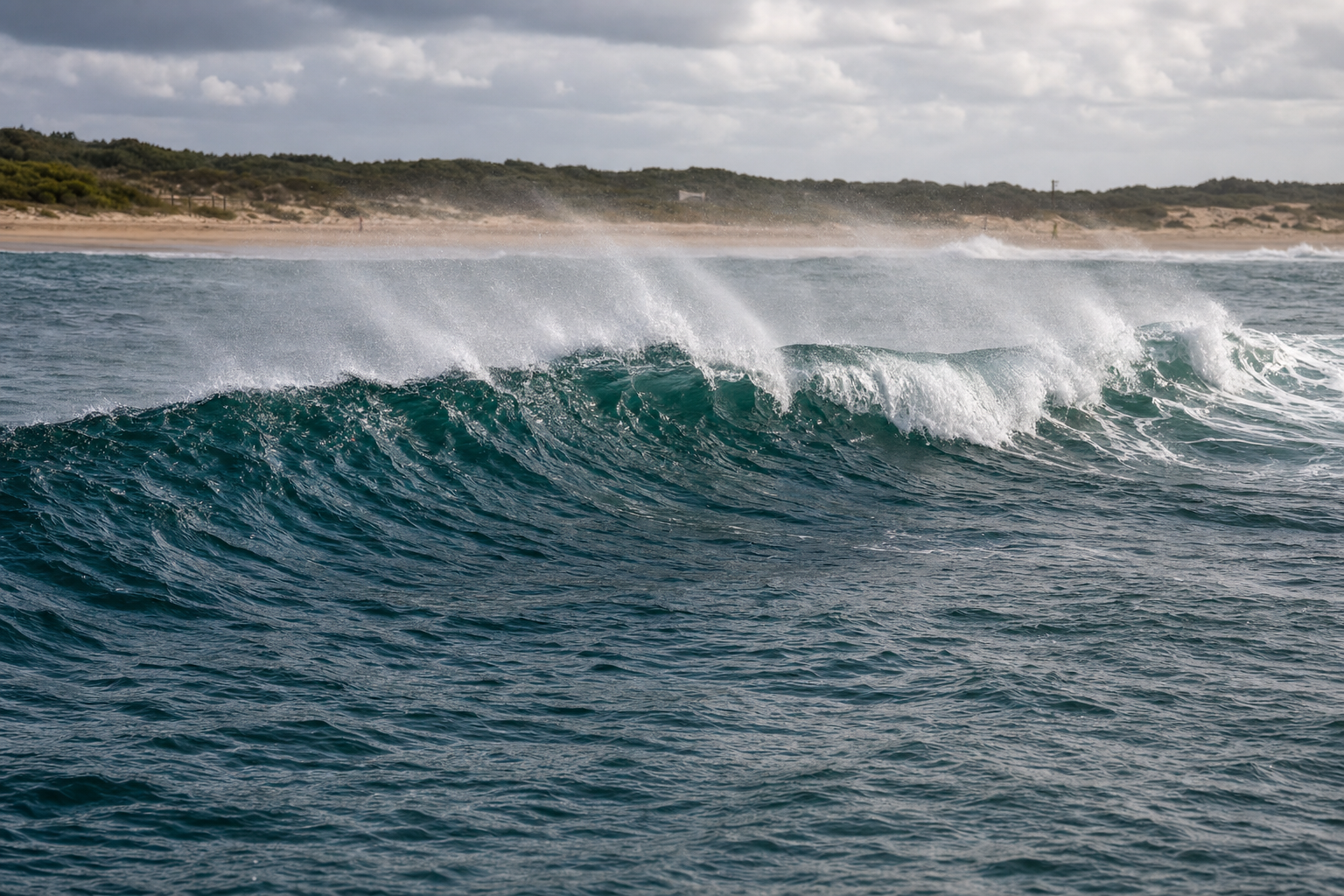
Choppy waves are what happens when wind stops being a background detail and becomes the main sculptor of the ocean surface. Instead of clean, organized lines rolling toward…
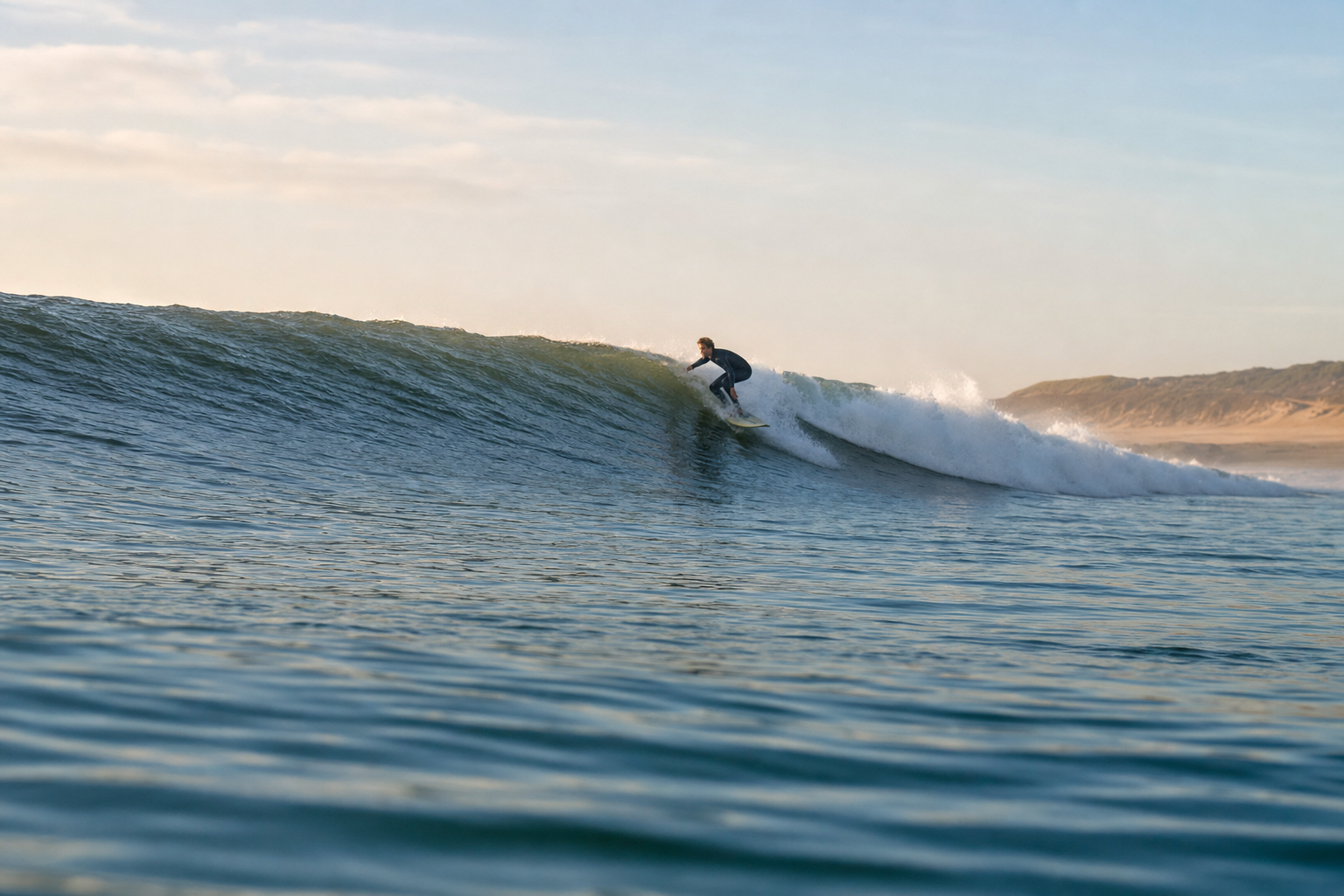
Mushy waves get dismissed as “burgers” by plenty of surfers, but they are one of the most common wave types you will actually deal with. They shape beginner…
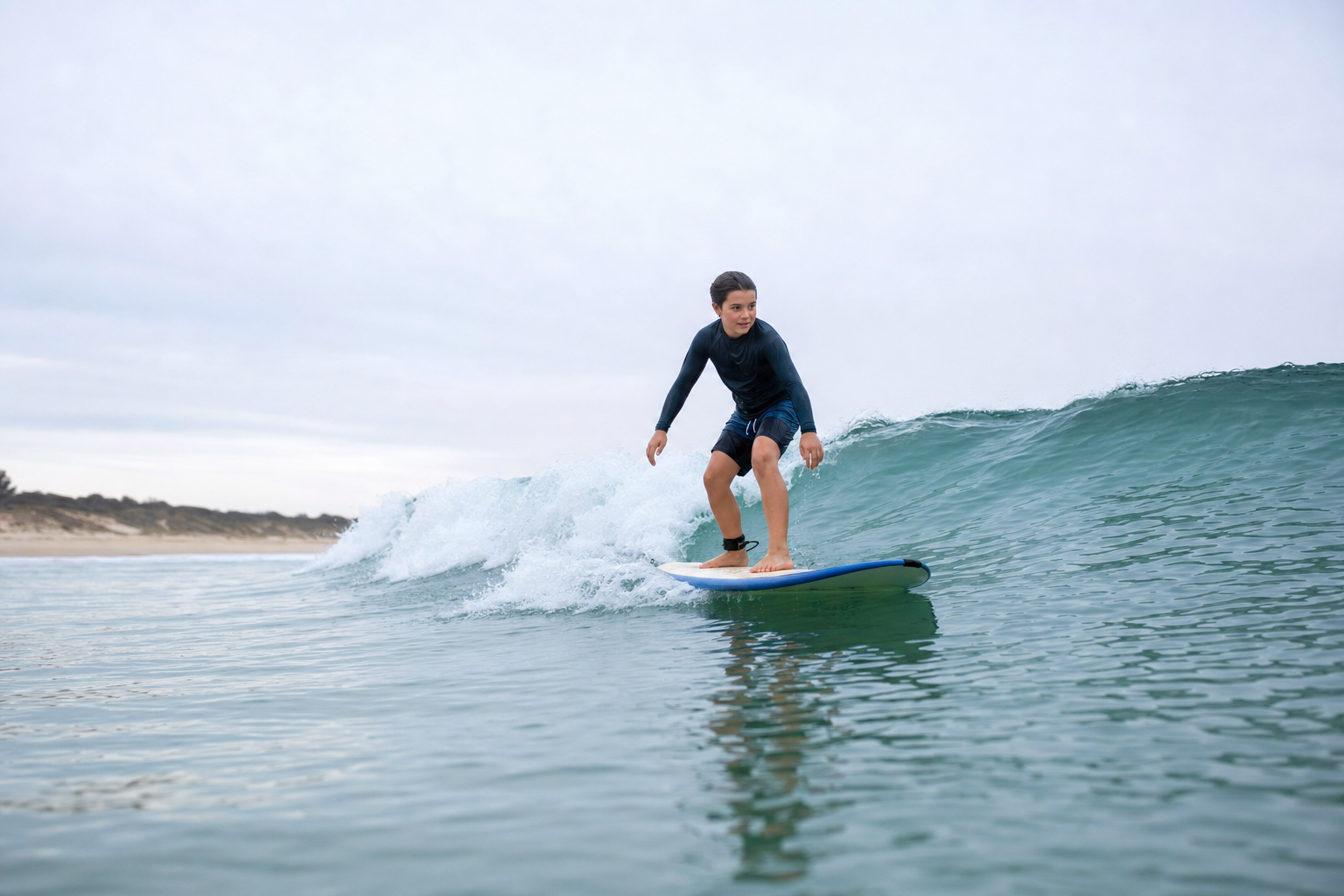
Soft waves are the friendly end of the surfing spectrum: rounded, slower-moving waves that break with a spilling crest rather than a pitching lip. They may not deliver…
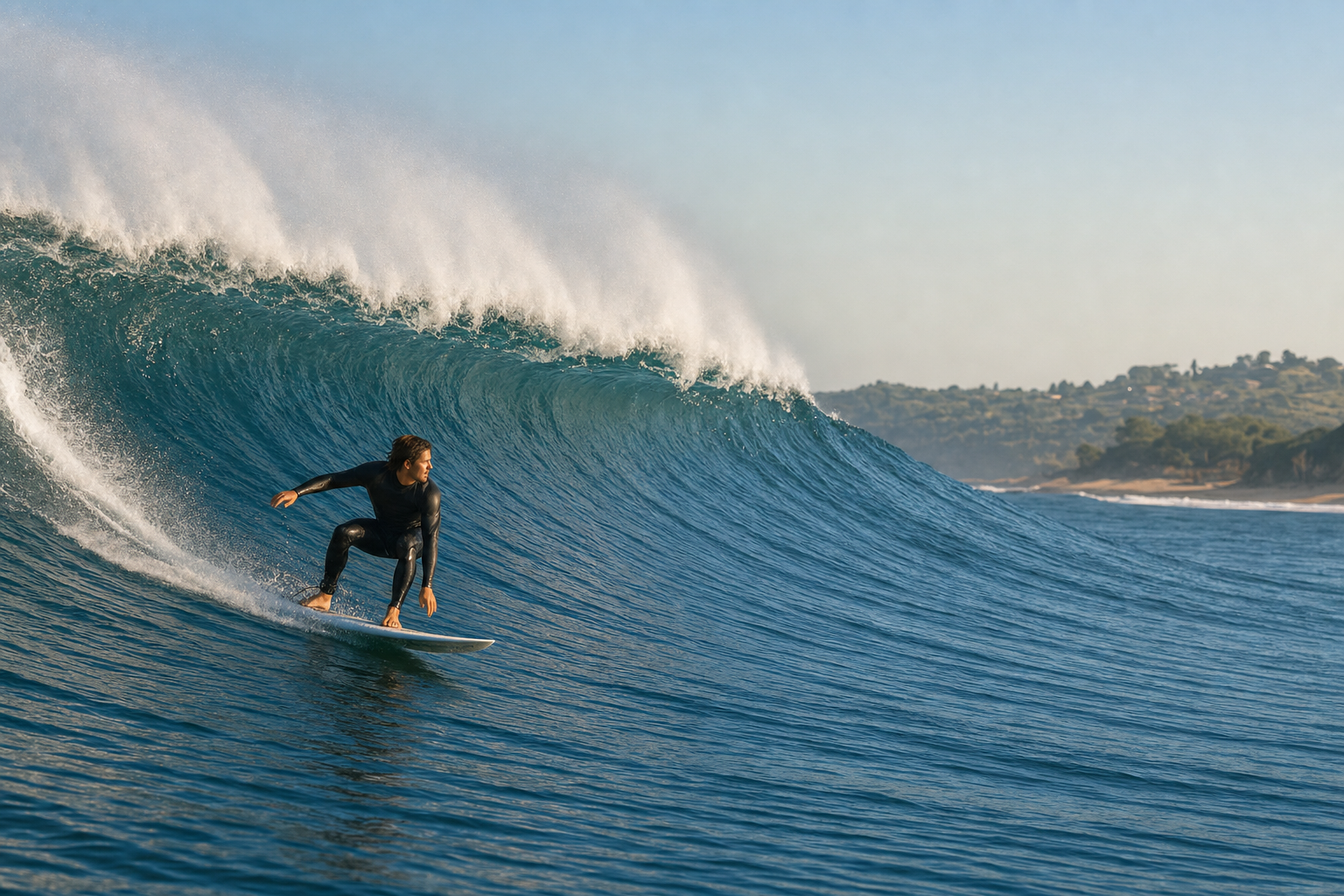
Offshore wind is one of surfing’s great quality filters. The same swell that looks bumpy, weak, or shapeless under onshore wind can become smooth, steep, and beautifully organized…
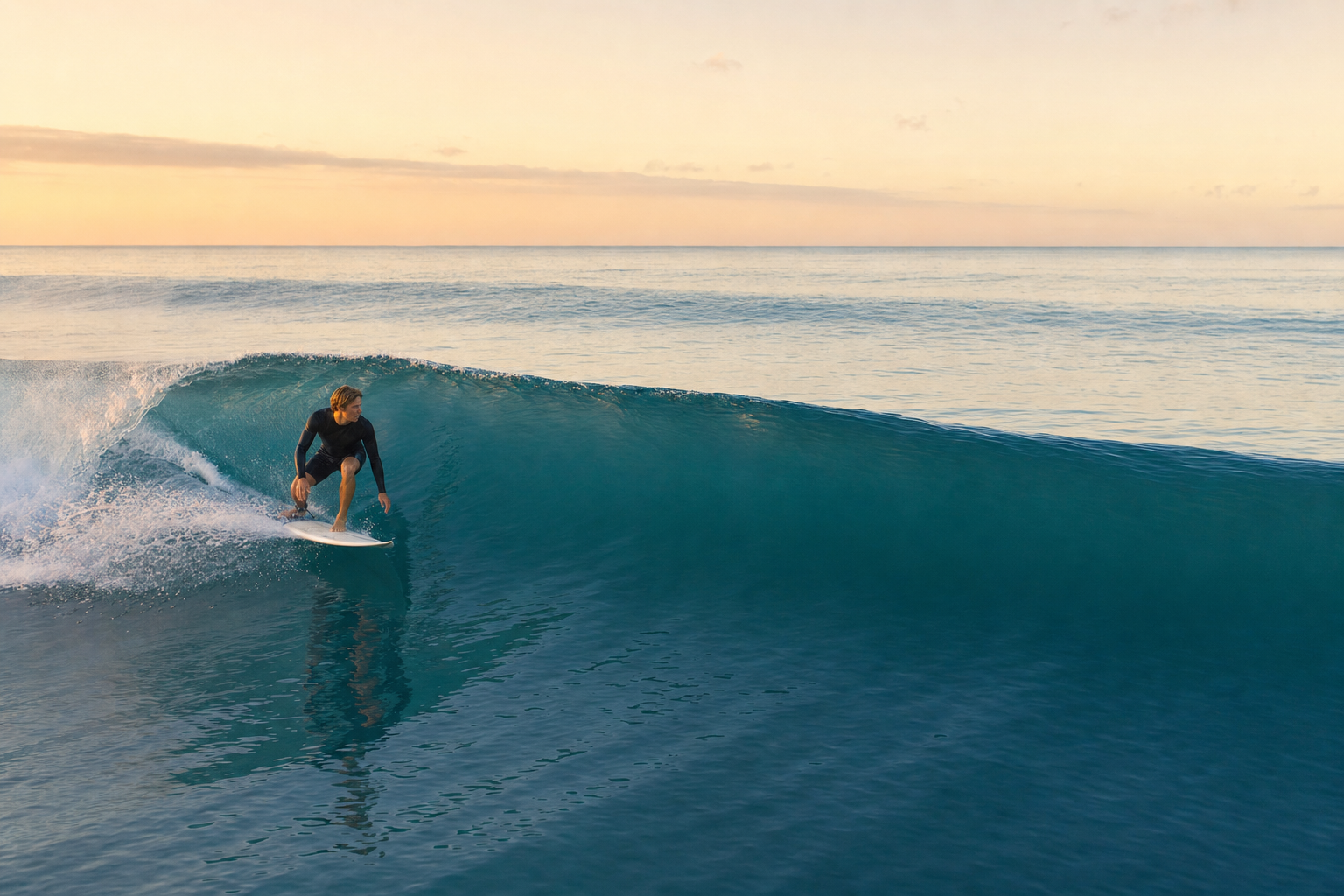
Few surf conditions feel as inviting as a clean, smooth lineup where each swell line rises out of the ocean like polished glass. Glassy waves are prized because…
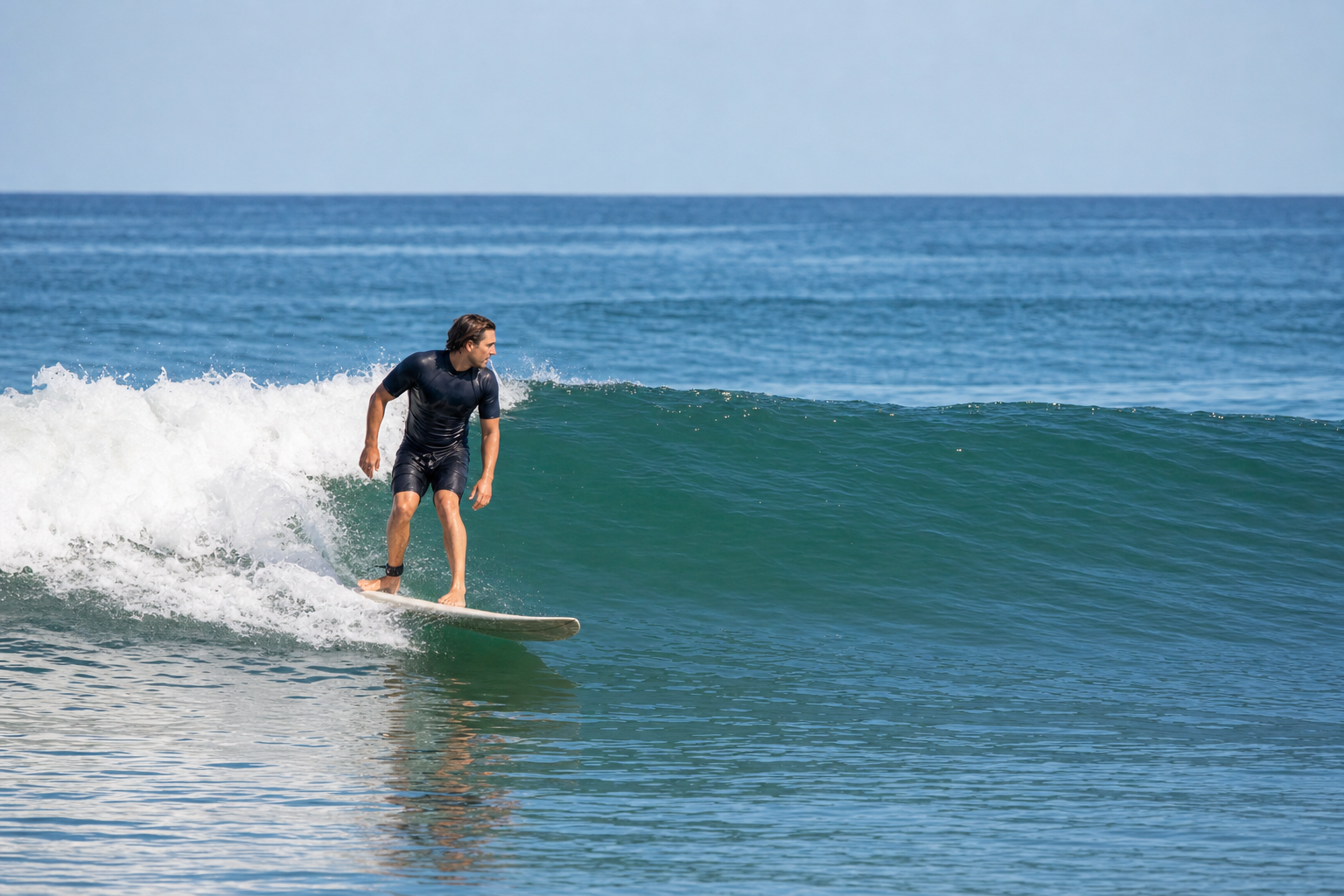
Some waves just invite you in. They rise gradually, break in an orderly line, and give you enough time to paddle, pop up, and start trimming before anything…
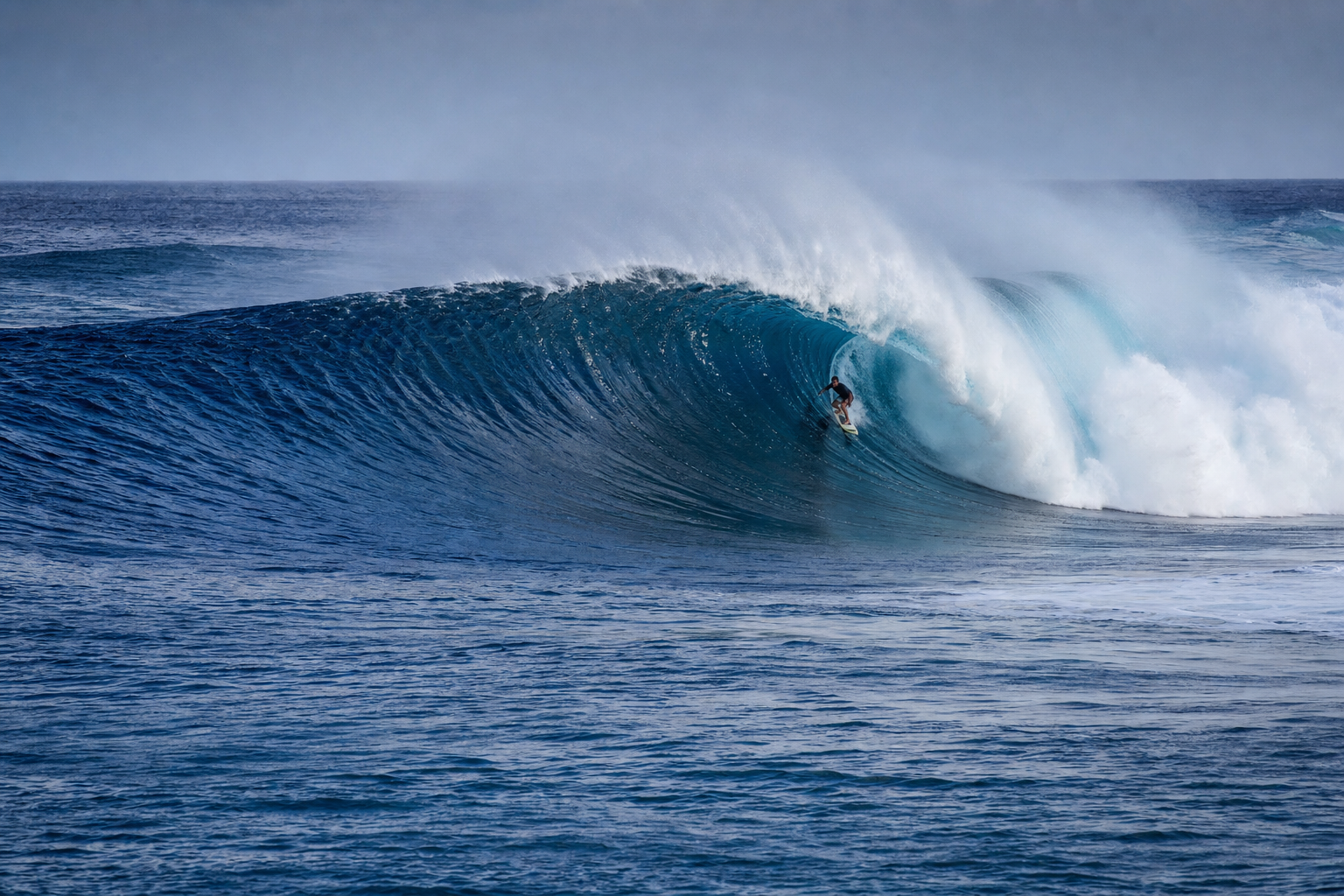
Some waves look inviting from the beach but turn intimidating the moment you paddle toward them. They jack up suddenly, throw thick lips, race down the line, shift…
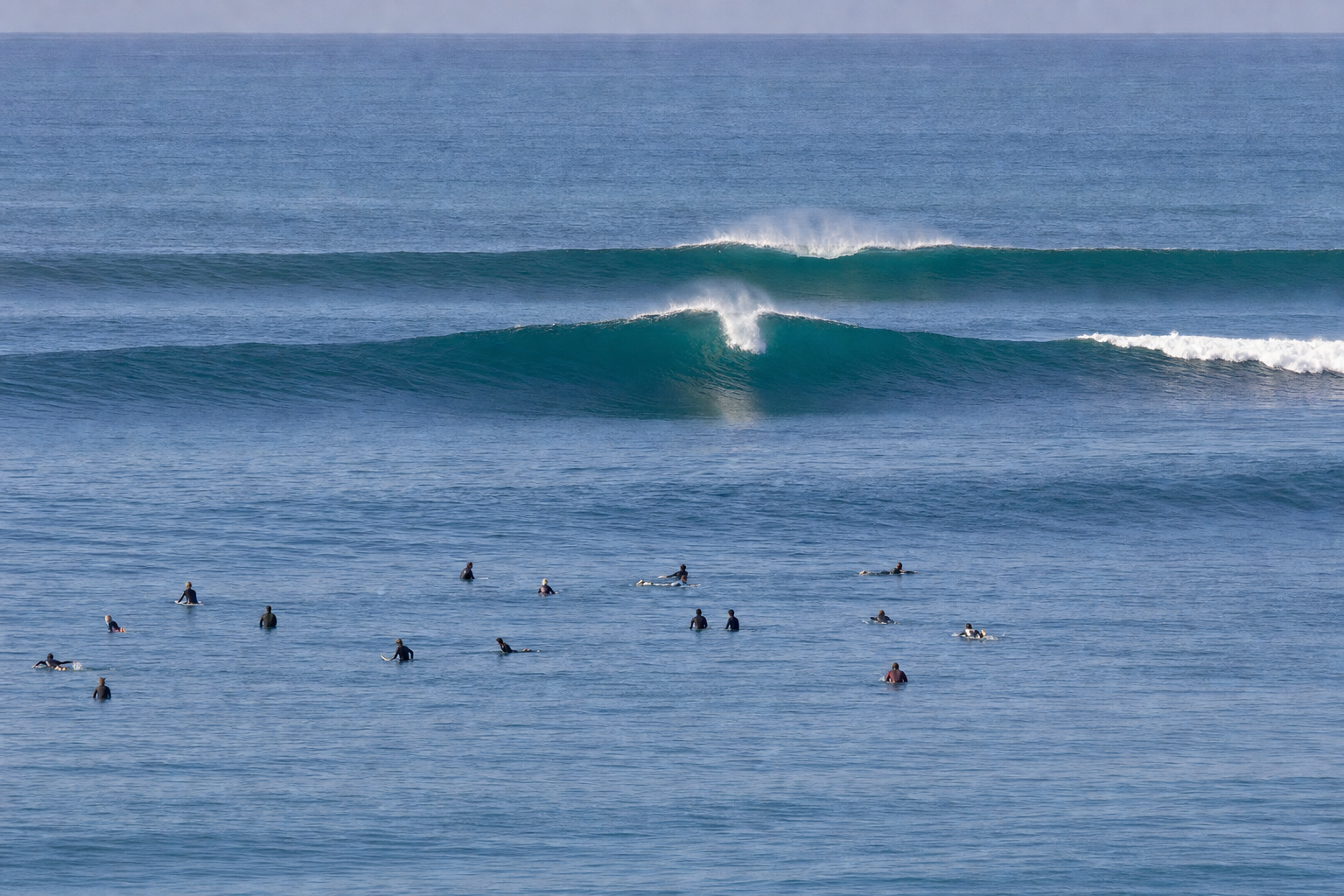
Inconsistent surf is one of the most frustrating things a surfer can face: long lulls, sudden cleanup sets, shifty peaks, and waves that look perfect until they wall…