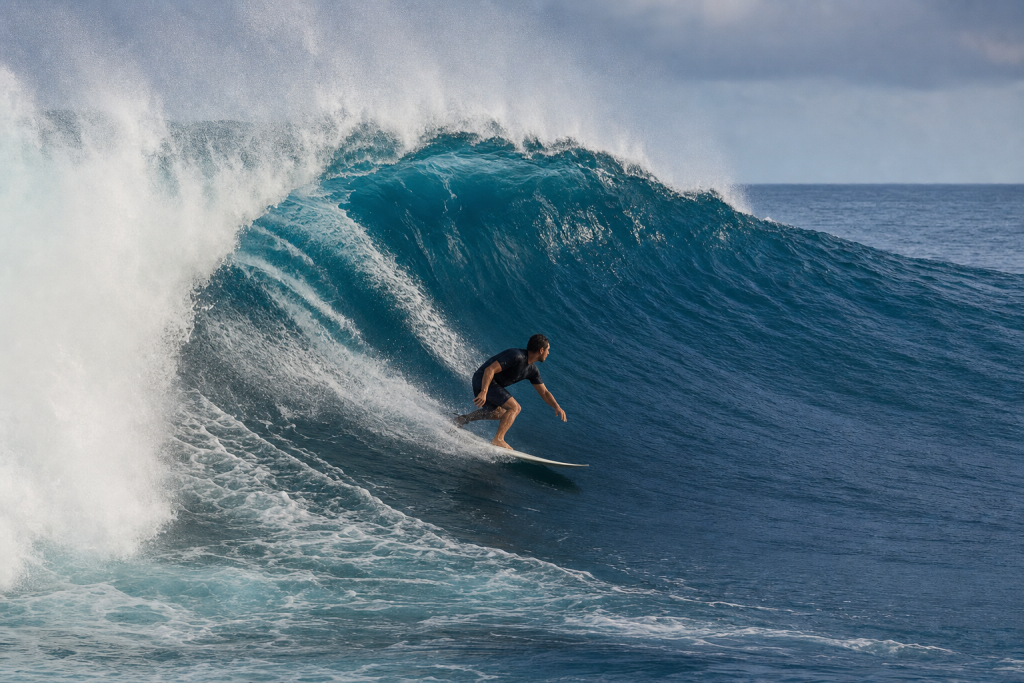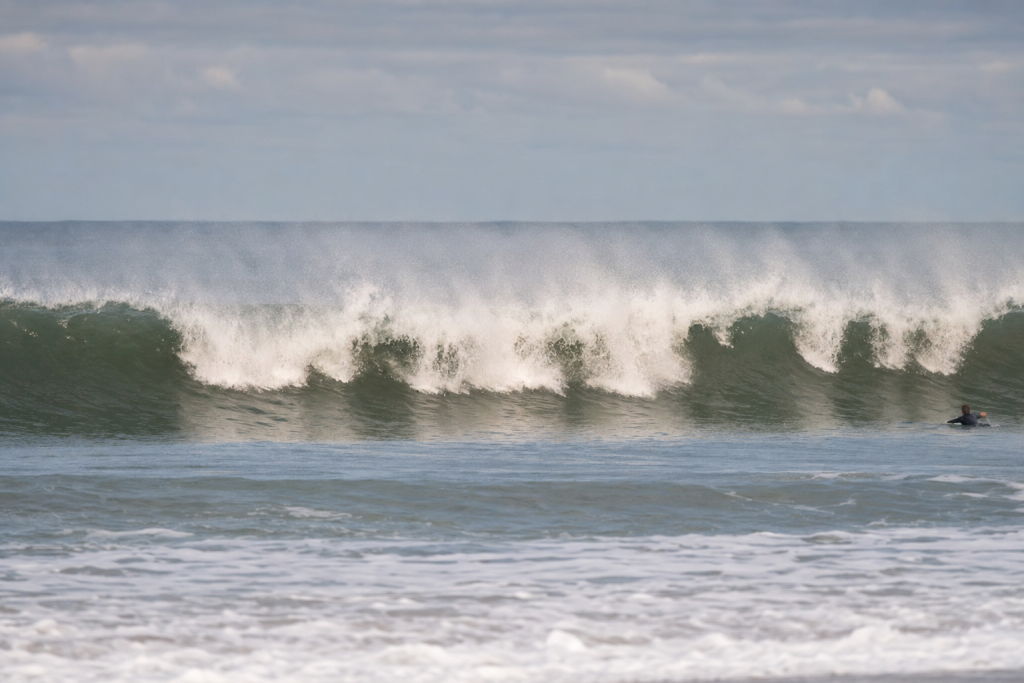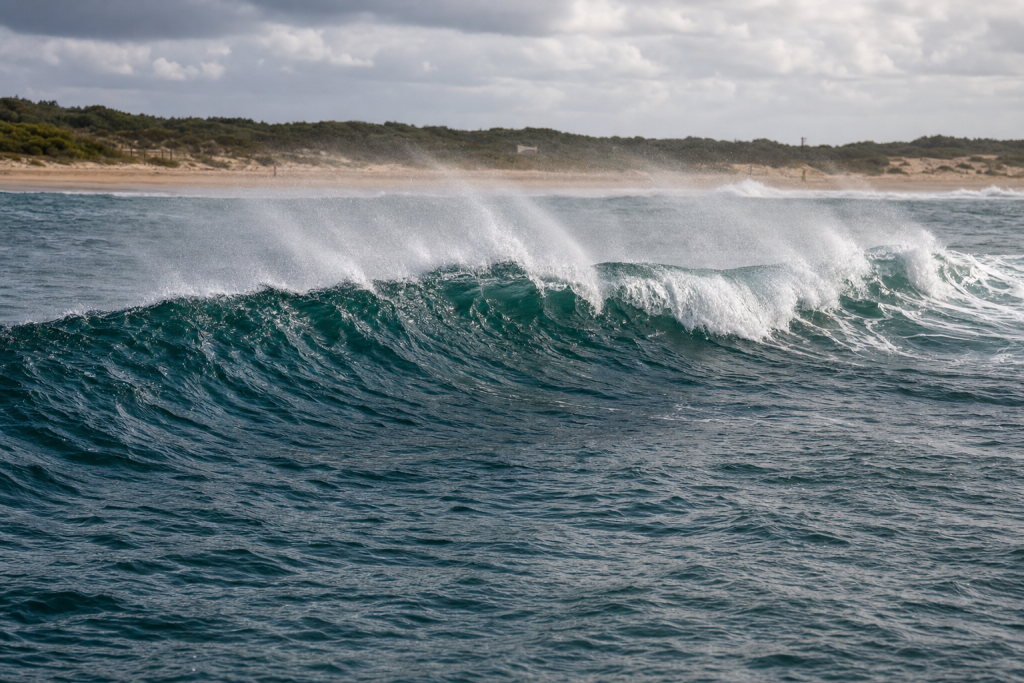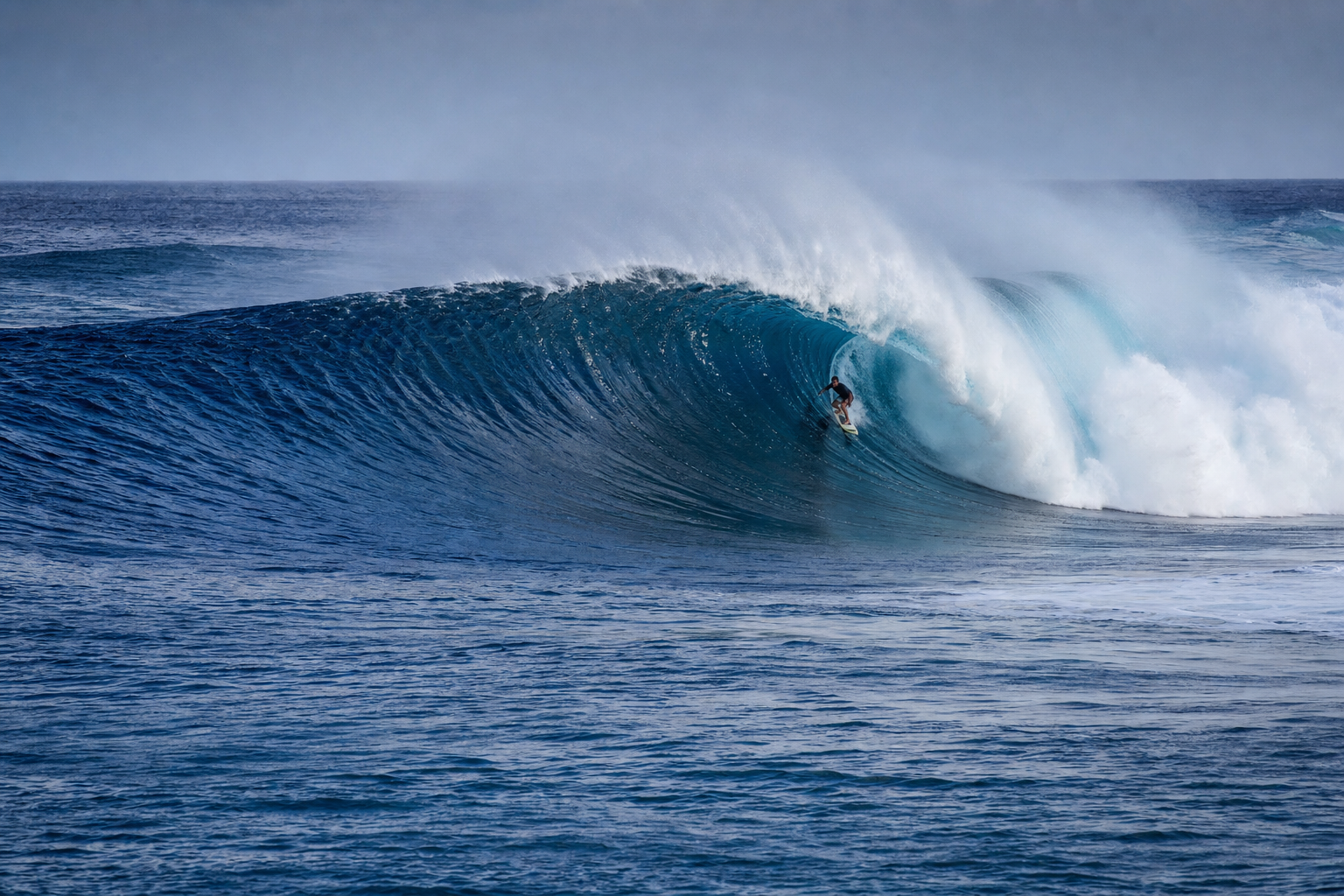
Some waves look inviting from the beach but turn intimidating the moment you paddle toward them. They jack up suddenly, throw thick lips, race down the line, shift without warning, or break over shallow reef with little room for error. What makes waves hard to surf is not just size. A head-high slab can be more difficult than a double-overhead point break if it is faster, hollower, shallower, and less predictable. Understanding why certain waves are hard to surf helps you read conditions better, choose makeable waves, and progress with more confidence in powerful surf. If you are working toward bigger, more serious waves, picking up a resource like this surf technique book can help fill in the gaps between sessions.
What Makes Waves Hard to Surf?
A hard-to-surf wave usually combines several challenging traits at once: steep takeoffs, speed, power, hollow sections, unpredictable shape, and serious consequences after a mistake. Some difficult waves are high-quality waves that only advanced surfers can handle. Others are hard because they are messy, closing out, or nearly impossible to read. Regardless of the type, having reliable gear matters. A quality surfboard leash is one piece of equipment you should never compromise on when surfing powerful or hollow waves.
Wave Shape and Surf Quality
The shape of a wave determines whether it offers a rideable line or simply detonates. Easy waves usually break gradually, with a clear shoulder that peels away from the peak. Hard waves often have one or more of these features:
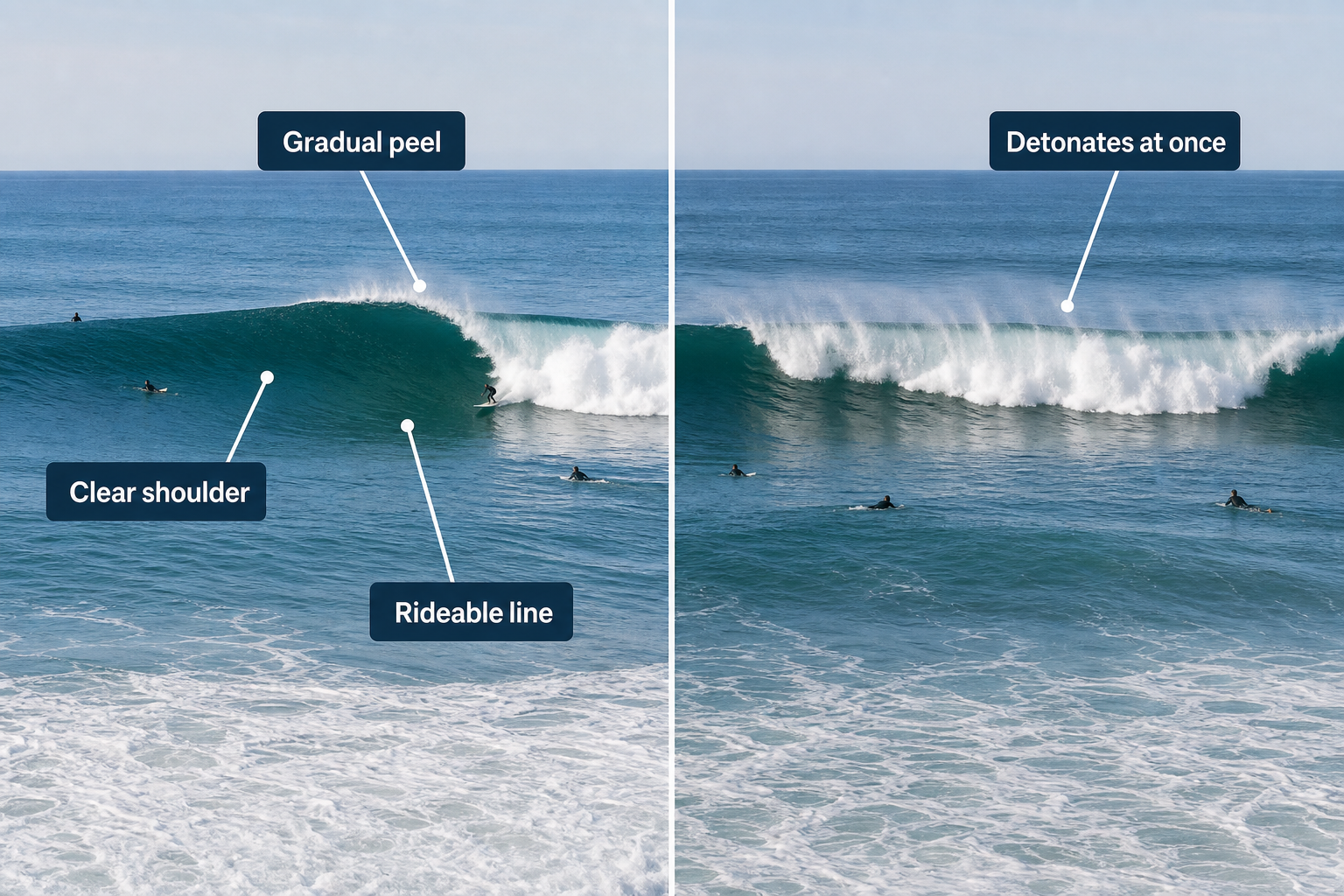
- A sudden ledge: The wave rises quickly from deep water onto shallow bottom, making the takeoff steep and late.
- A thick lip: More water pitches over the falls, increasing impact and making the barrel heavier.
- A fast-breaking line: The wave peels so quickly that the surfer must generate speed immediately.
- Shifting peaks: The takeoff zone moves between sets, making positioning difficult.
- Double-ups: Two swell lines combine, causing the wave face to step, suck out, or throw unexpectedly.
Quality and difficulty are not the same thing. Pipeline, Teahupo’o, and Cloudbreak are all world-class waves, but they are also extremely hard to surf. By contrast, a dumping beachbreak closeout may be both low quality and technically hard because it offers no real wall to ride.
Power, Speed, and Height
Wave power increases dramatically with height. A wave twice as high carries far more than twice the energy. Long-period swells also carry more deep-water energy than short-period wind swells, so they can feel heavier even at the same visible size.
Speed matters in two ways. First, the swell itself travels quickly through deep water, especially when the period is long. Second, the breaking section may peel down the reef, point, or sandbar faster than a surfer can travel. A wave becomes especially hard when the surfer must make a steep drop, set a rail immediately, and outrun a throwing lip all within the first second of the ride.
Height adds consequence, but it is not the only factor. A four-foot reef slab breaking in knee-deep water can be more technical than an eight-foot rolling point break with a soft shoulder. The hardest waves combine size with steepness, speed, and a heavy lip.
Steepness and Hollowness
Steepness is one of the clearest signs that a wave will be difficult. When the face stands up quickly, you have less time to paddle in, pop up, and set your line. If the bottom drops out beneath the board, the takeoff becomes late even when you are technically in the right position.
Hollowness adds another level of difficulty. Hollow waves throw the lip out and away from the face, creating a barrel. The more the lip projects outward, the more powerful the wave tends to be. A square barrel, where the lip throws far out toward the flats, is often very hard to surf because you must stay high and fast while avoiding the collapsing lip behind you. A well-placed surf traction pad on your board can help you maintain grip and foot placement through these critical moments.
Types of Waves That Are Hard to Surf
Heavy Reef Waves and Slabs
Reef waves and slabs are among the hardest waves to surf because they break over shallow, uneven bottom. A slab is a wave that rises abruptly over a shallow ledge, usually creating a thick, hollow barrel with a very compressed takeoff zone.
These waves often look strange compared with normal surf. The ocean may seem to disappear beneath the peak before the lip throws forward. Boils, steps, and warbles on the face reveal uneven reef below. The takeoff is usually steep, the barrel is powerful, and the margin for error is small.
Classic slab traits include a short takeoff zone, a thick lip, and a barrel that opens quickly but shuts down just as fast. Some slabs are rideable only from a very specific spot. A few feet too deep puts the surfer behind the lip, while a few feet too wide leaves them too far on the shoulder to catch the wave at all. Wearing reef booties at these spots offers some protection if you get dragged across the bottom after a wipeout.
Fast Hollow Beachbreaks
Beachbreaks can be forgiving when the sandbars are well shaped, but they become hard when swell hits a steep sandbar and closes out along the beach. Powerful beachbreaks often have heavy lips, strong rips, and shifting peaks.
The challenge is unpredictability. Unlike a reef, which usually breaks in roughly the same area, sandbars change with storms, tides, and currents. One wave may offer a perfect barrel while the next one unloads across the entire bank with no exit.
Fast hollow beachbreaks are often most difficult on long-period groundswell when the lines arrive straight and organized. If the swell direction is too direct, the wave may break all at once instead of peeling cleanly.
Big-Water Waves
Big-wave spots are hard because of raw energy, speed, and scale. The faces are large, the boards are longer, and everything happens with more force. Even when the wave face is not extremely hollow, the drop may be long and bumpy, and moving water can be difficult to control.
At big-wave reefs, offshore bomboras, and canyon-fed peaks, the takeoff zone may shift with each set. Surfers often have to read the horizon, paddle early, and commit before the wave fully reveals its shape. Hesitate, and you may be caught inside by a much larger wave right behind it. Surfers heading into big conditions should consider wearing an impact vest for added protection during heavy wipeouts.
Wedges and Backwash Waves
Wedge waves form when swell energy reflects off a jetty, cliff, or reef and collides with incoming swell. This can create peaks that double in size, change direction, or throw unexpectedly.
Backwash adds another difficulty. When water rebounds from a steep beach, rock wall, or cliff, it meets the next incoming wave and creates lumps on the face. This can make the board chatter, skip, or lose rail contact during the drop. A wave that looks rideable from the outside may become warped and unpredictable as it hits the inside section.
Ultra-Fast Point Waves
Some point breaks are hard not because they are chaotic, but because they are extremely fast and demanding. Long, hollow points can offer incredible rides, yet the surfer must maintain speed through multiple sections. If the swell angle is too sharp down the line, the barrel may run faster than most surfers can travel.
These waves require excellent positioning, efficient pumping, and the ability to read sections far ahead. A surfer who fades too deep or stalls too long may be swallowed by the next section before they can recover.
Bottom Structure and Seabed Gradient in Hard-to-Surf Waves
The shape of the bottom is one of the biggest reasons certain waves become hard to surf. As a swell approaches shallow water, it slows, steepens, and eventually breaks. The more abruptly the depth changes, the more suddenly the wave can jack up.
Steep Reefs and Ledges
Many heavy reef waves break where deep water meets a shallow coral or rock shelf. The swell travels with little resistance, then suddenly feels the bottom and pitches forward. This creates hollow barrels, late drops, and intense lips.
Uneven reef adds complexity. Holes, ridges, and coral heads can create boils on the face. These boils can bump the board, flatten a section, or make the lip throw unevenly, all of which makes the ride harder to control.
Steep Sandbars and Shorebreaks
Hard beachbreaks often form over steep sandbars with deep troughs nearby. The wave holds its energy until it reaches shallow water, then dumps violently. Shorebreaks are a classic example: the wave may not break until it is very close to dry sand, leaving almost no room for a clean ride.
Sandbars can also create excellent barrels when the angle is right. The same bank that is perfect at one tide may become a closeout when the tide drops or the swell direction shifts slightly.
Submarine Canyons and Focusing Effects
Some of the world’s biggest and most difficult waves are influenced by underwater canyons. Canyons can focus swell energy toward a specific area, making waves larger and more powerful than at nearby breaks. Nazaré in Portugal is the most famous example, where a massive underwater canyon funnels Atlantic swell into extraordinary size.
This focusing effect can also make waves unpredictable. Sets may arrive from slightly different directions, and peaks may shift across a wide area. The surfer must read not only the wave directly in front of them but also the broader ocean pattern developing on the horizon.
| Bottom Type | Typical Wave Effect | Why It Is Hard to Surf |
|---|---|---|
| Shallow reef ledge | Hollow slab or barrel | Late takeoff, thick lip, shallow impact zone |
| Steep sandbar | Dumping beachbreak | Closeouts, shifting peaks, heavy lips |
| Point with uneven reef | Fast peeling wall | Speed, boils, long sections |
| Submarine canyon | Focused big surf | Large sets, shifting peaks, strong currents |
How Swell Direction and Period Make Waves Hard to Surf
Swell Direction and Typical Angles
Swell direction controls how a wave meets the bottom. A direct swell may create more size and power, but it can also cause closeouts. A more angled swell may produce a peeling wall, although too much angle can make the wave race too fast or miss the reef entirely.
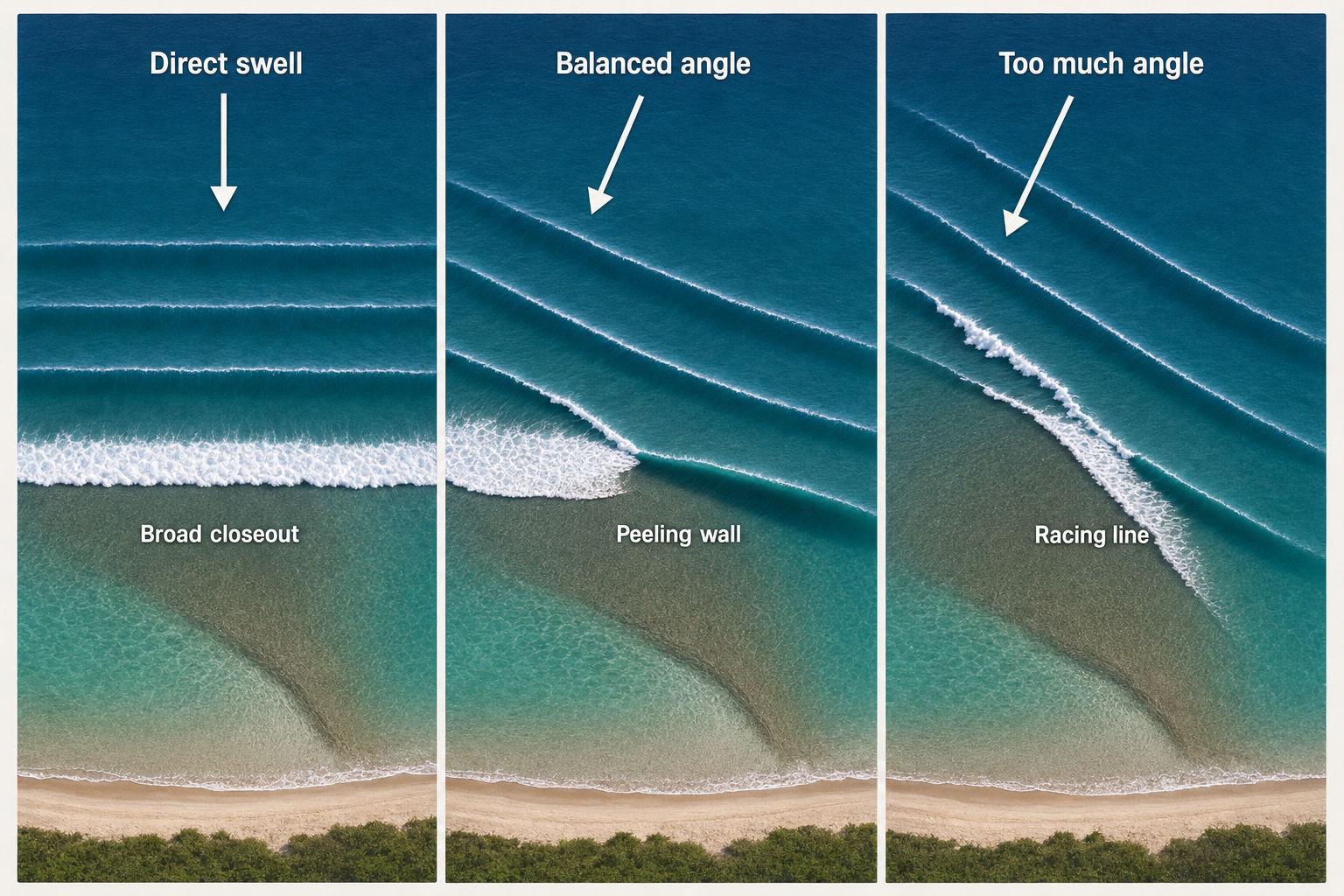
At many beachbreaks, a swell arriving nearly straight toward the beach is more likely to close out. A swell arriving at a moderate angle often creates better peaks and shoulders. At point breaks, the right swell angle is usually the one that wraps along the point rather than hitting it head-on. Some general patterns apply across most breaks:
- Direct swell: More power and size, but higher closeout risk.
- Moderately angled swell: Better peeling shape when the bottom supports it.
- Very oblique swell: Fast walls, difficult takeoff zones, or reduced size at the break.
Wave Period and Energy
Wave period is the time between successive swell crests. It strongly affects how hard a wave feels to surf. Longer-period swells carry more energy, interact with the seabed earlier, and refract more around reefs and points. Typical period ranges for hard-to-surf waves include:
- 6 to 9 seconds: Short-period surf that is often weaker but messy and difficult to read.
- 10 to 14 seconds: Medium-period surf with more push and better organization.
- 15 to 22 seconds: Long-period groundswell with serious power and heavy breaking potential.
Long-period swell can transform a normally manageable reef into a much heavier wave. It can also cause beachbreaks to close out because the swell lines are longer and more organized. At big-wave spots, periods above 16 seconds often indicate a more powerful swell with significantly larger set waves.
Typical Wave Heights
Hard-to-surf waves exist at many sizes. A shallow slab may become serious at chest-high to overhead. A heavy reef may start showing its true character at double-overhead. Big-wave spots often become genuinely difficult when faces reach 20 feet or more.
Height should always be judged alongside wave type. A soft 10-foot point wave may be less technical than a six-foot draining reef barrel. The hardest conditions usually occur when height combines with long period, shallow bottom, and a critical swell angle.
Tides, Wind, and Other Conditions
Tide can completely change the difficulty of a wave. Low tide often makes reef waves hollower and more dangerous because there is less water cushioning the bottom. Mid tide may offer the best mix of shape and safety at many breaks. High tide can soften some waves, but it can also create backwash or cause waves to break closer to rocks or seawalls.
Wind matters as well. Light offshore wind grooms the face and holds the lip up, creating clean barrels. Strong offshore wind can make entry difficult by blowing spray up the face and slowing the board during the drop. Onshore wind usually reduces quality and can make powerful waves more unpredictable by adding chop to already critical sections.
Currents, crowd pressure, and set consistency also play a role. A wave is harder to surf when the paddle-out is relentless, the lineup has no clear channel, or the best takeoff spot is crowded with experienced surfers who know every nuance of the break.
How to Recognize Rideable Versus Unmakeable Hard Waves
The difference between a rideable hard wave and an unmakeable one is often subtle. Advanced surfers look for a line that offers enough shoulder, enough time, and a possible exit. A wave can be frightening and still makeable. It becomes unmakeable when the lip outruns the surfer or the whole section breaks at once with no open face remaining.
Signs a Hard Wave May Be Rideable
- The peak feathers first: A small area starts breaking before the rest of the wave, giving a clear entry point.
- The shoulder has angle: The unbroken face runs away from the peak instead of standing straight across the whole bay.
- The lip throws in sequence: The barrel opens section by section rather than collapsing all at once.
- There is a visible channel or exit: The wave provides somewhere to kick out or escape at the end of the ride.
- Previous waves show a pattern: Sets break in a repeatable location with a recognizable takeoff zone.
Signs a Hard Wave Is Probably Unmakeable
- The entire line feathers at once: This almost always signals a closeout.
- The shoulder disappears quickly: If the open face vanishes before a surfer could realistically reach it, the wave is too fast.
- The lip lands on the flats: A thick lip exploding far out from the base may leave no safe line through the barrel.
- The face is warped by backwash: Large steps or cross-chop can make the drop uncontrollable.
- The wave breaks too shallow: Exposed reef, dry rocks, or sucking sand remove any margin for error on the inside.
A useful habit is to watch several sets before paddling out. Look at where the best surfers sit, which waves they let pass, and where successful rides begin. If skilled surfers are repeatedly pulling back or getting clipped, the wave may be close to unmakeable at that particular tide or swell angle.
How to Surf Hard-to-Surf Waves
Choose the Right Wave and Equipment
The first skill is selection. Surfing hard waves is not about catching every set. It is about choosing waves with a makeable line. Watch the lineup, identify the takeoff zone, and avoid waves that are too deep, too wide, or breaking straight across without a shoulder.
Equipment should match the wave. In big surf, surfers often use step-ups or guns for paddling speed and hold. In hollow reef, a rounded pin or rounded square tail can add control through critical sections. Your fins also have a significant impact on how the board responds. FCS fins and fiberglass performance fins compatible with Futures boxes are two options worth considering depending on your board setup. At fast points, a fin setup that carries speed through long sections is often more valuable than one optimized for tight, snappy turns.
Do not overlook your wax either. Fresh, properly applied surf wax keeps your feet connected to the board when a wave gets critical and every small adjustment counts.
Positioning and Paddling
Hard waves punish poor positioning. Sit too far inside and you risk getting caught by the lip. Sit too far out and the wave passes underneath. Sit too wide and you lose access to the power source needed to enter the wave.
Use fixed landmarks when possible. On reef and point waves, line up with a cliff, tree, or channel marker. At beachbreaks, use rips and sandbar patterns, but expect them to shift between sessions and even between tides.
Paddle with commitment. Many hard waves require earlier acceleration than they appear to from the shoulder. Angling the takeoff slightly down the line can help on fast, hollow waves, but too much angle may prevent the board from dropping cleanly into the face.
Making the Takeoff
The takeoff is the defining moment on hard waves. Keep your chest low during the final paddle strokes, commit fully, and pop up with your weight centered. On a steep drop, staying compressed helps absorb speed and keeps the rail engaged with the face.
A common mistake is standing tall too early. This raises the center of gravity and causes the board to skip or slide. Another mistake is aiming straight to the bottom on a wave that demands immediate lateral speed. On hollow waves, the best line is usually a controlled diagonal drop into a high-speed trim along the face.
Surfing the Barrel and Fast Sections
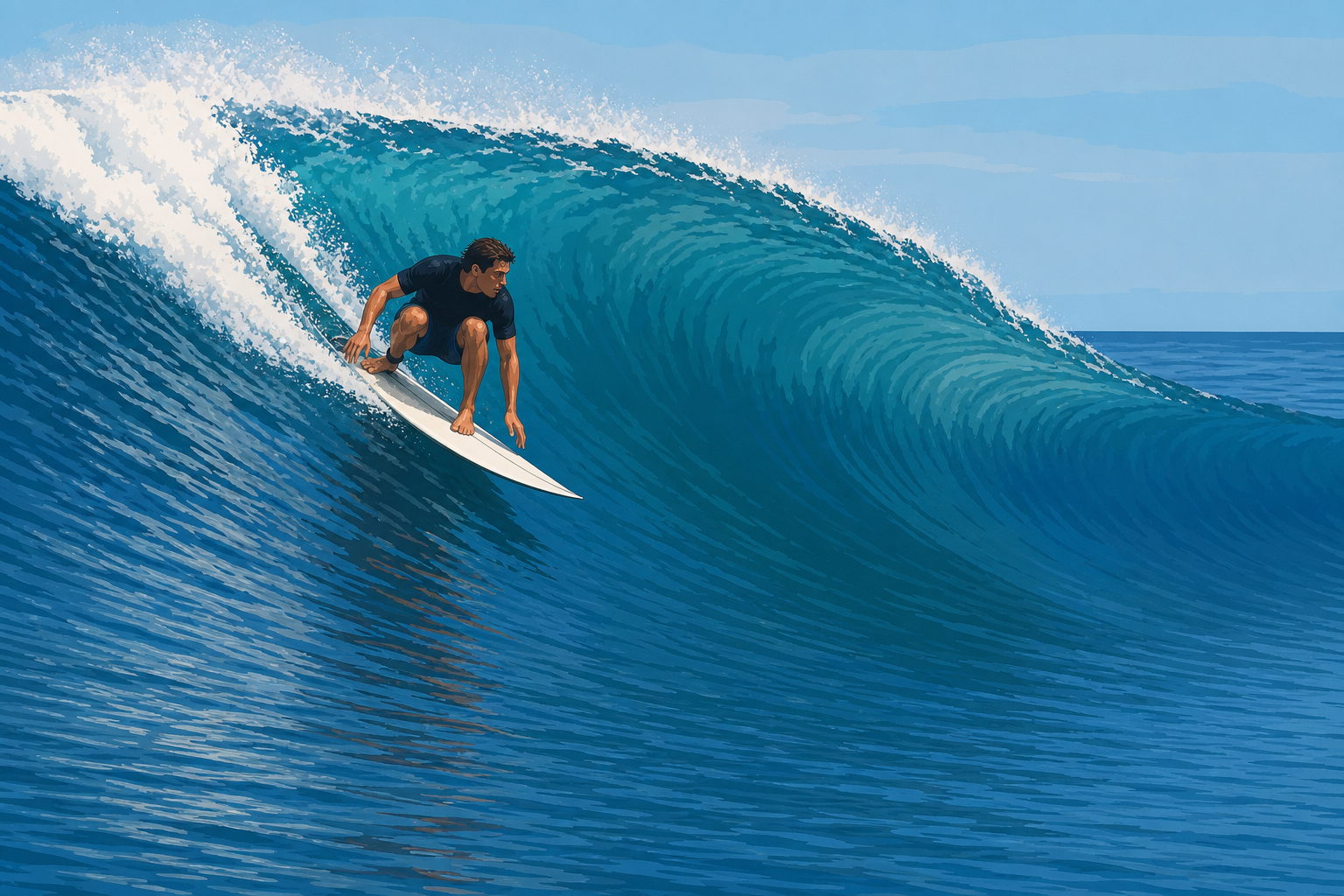
In hollow waves, speed control is everything. Too slow and the lip catches you. Too fast and you outrun the barrel or lose control on the flats. Advanced surfers use small pumps, subtle stalls, and rail adjustments to stay in the right part of the wave throughout the ride.
On backside barrels, many surfers use a pigdog stance, grabbing the outside rail while compressing low. Frontside, the surfer may stall with the back foot or trailing arm, then pump high through the open section. The goal is not to force maneuvers but to match the wave’s speed and exit cleanly before the section shuts down.
Managing Consequence
Hard waves require honest judgment. You should be able to duck dive or turtle roll effectively, hold position in strong current, and handle wipeouts without panicking. In serious surf, local knowledge matters as much as raw ability. Channels, boils, reef shelves, and impact zones are easier to navigate after watching the break carefully from the beach.
Wearing the right protective gear is a straightforward way to reduce risk. A surf helmet is worth considering at shallow reef breaks where a wipeout can bring you close to the bottom quickly. A well-fitting full wetsuit keeps you warmer and adds a small layer of protection in cold-water heavy surf. For warmer conditions or tropical reef breaks, a long-sleeve rash guard protects against reef rash and sun exposure.
Progression should always be gradual. A surfer who wants to ride hollow reef waves should first become comfortable in smaller hollow beachbreaks or softer reef setups. A surfer aiming for big surf should build experience in solid but manageable conditions before committing to a true big-wave lineup.
Hard reef sessions are also tough on boards. Keep a surfboard ding repair kit in your car so you can patch up pressure dings and rail damage before they turn into something more serious.
Famous Hard-to-Surf Waves Around the World
| Surf Spot | Location | Why It Is Hard to Surf |
|---|---|---|
| Pipeline | Oahu, Hawaii | Shallow reef, heavy barrels, precise positioning required |
| Teahupo’o | Tahiti, French Polynesia | Extremely thick lip, very shallow reef, enormous water volume |
| Mavericks | California, United States | Cold big-water reef, shifting peaks, powerful hold-downs |
| Jaws (Pe’ahi) | Maui, Hawaii | Huge faces, high speed, intense North Pacific swells |
| Nazaré | Portugal | Canyon-focused swell, giant size, unpredictable shifting peaks |
| Shipstern Bluff | Tasmania, Australia | Stepped slab face, cold water, violent thick lip |
| The Right | Western Australia | Thick right-hand slab, shallow reef, remote location |
| Puerto Escondido | Oaxaca, Mexico | Heavy beachbreak, strong rips, powerful closeouts |
| Cloudbreak | Fiji | Long reef left, fast sections, serious barrels at size |
| Skeleton Bay | Namibia | Ultra-fast sand-bottom left, long barrels, relentless current |
These waves differ widely in shape and setting, but they share common traits: strong swell exposure, demanding takeoffs, fast sections, and little tolerance for hesitation. Some are difficult because they are enormous. Others are difficult because they are shallow, hollow, or unusually fast. If you ever get the chance to film yourself or a friend surfing any of these iconic spots, an action camera like this waterproof 4K action camera can capture the session in solid quality. Pair it with a high-speed microSD card to make sure you have enough storage for a full day of footage.
Hard-to-surf waves are shaped by the interaction of swell energy, seabed topography, tide, and wind. The most challenging waves are not always the biggest. They are the ones that break with speed, power, hollowness, and real consequence. Learning to recognize makeable shoulders, dangerous closeouts, critical swell angles, and tide changes allows you to make smarter decisions before you ever paddle out. For advanced surfers willing to put in the time, these waves offer some of the most rewarding experiences in the sport, but they demand patience, precision, and genuine respect for how the ocean works.