
Ocean and Wave Physics
Understand how ocean waves form, move, combine, bend, focus, and break, with clear explanations of the physics that directly affect surf quality.
Learn to forecast surf by combining swell science, wave physics, weather, wind, tides, buoy data, and modern forecasting tools so you can identify better windows before you paddle out.
Understand how ocean waves form, move, combine, bend, focus, and break, with clear explanations of the physics that directly affect surf quality.
Use buoy readings, charts, models, websites, apps, maps, and real-time observations to build more accurate surf forecasts.
Learn how swell height, period, direction, angle, power, and consistency influence wave size, shape, speed, and surfability at the coast.
Explore how storms, wind fields, fetch, distance, pressure systems, and ocean basins create the swells that eventually reach surfing coastlines.
See how local wind, weather patterns, air pressure, tides, currents, and coastal conditions improve or degrade waves throughout the day.
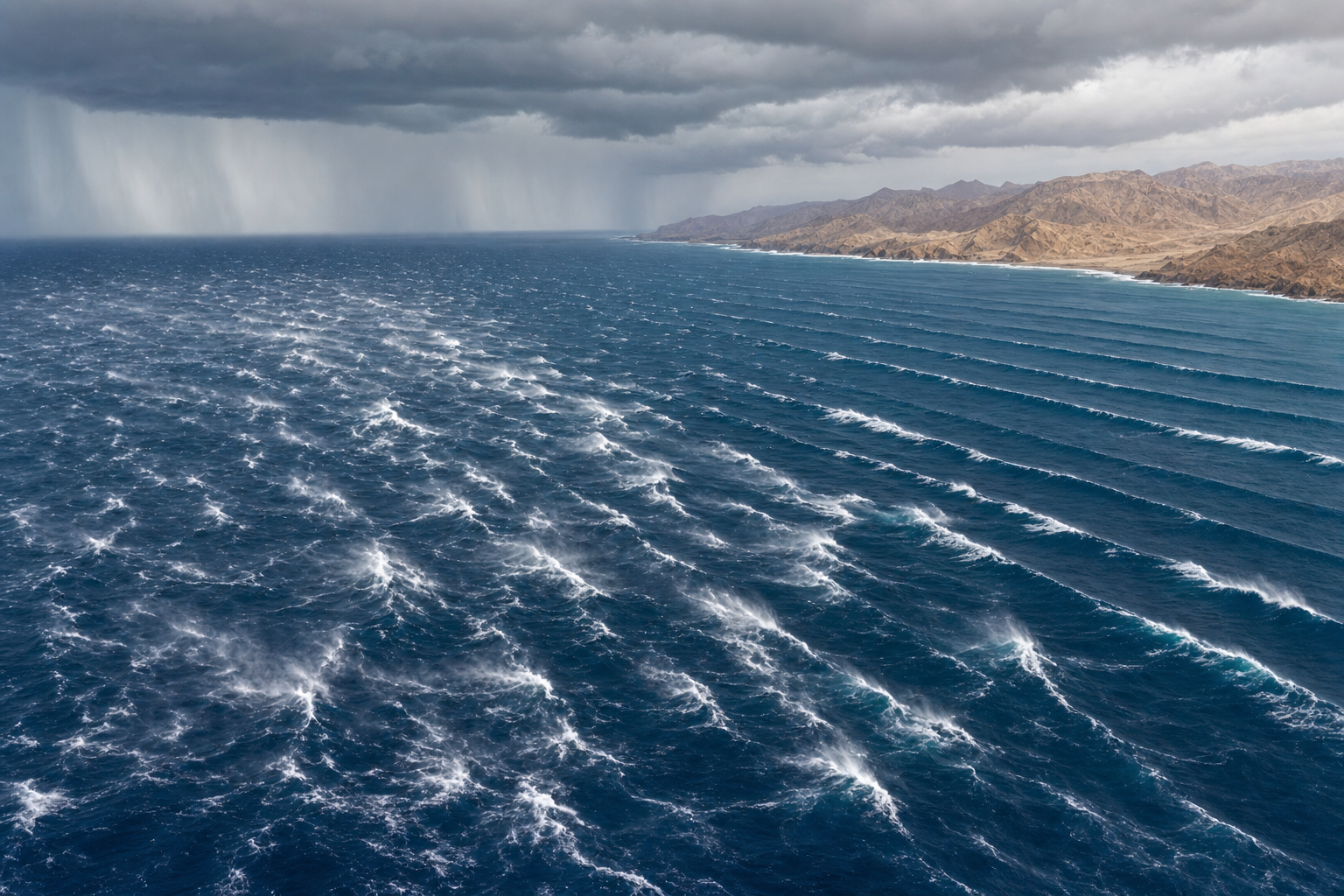
The Arabian Sea is one of the most seasonally dramatic swell basins in the world. For months it can be dominated by powerful southwest monsoon winds, then shift…
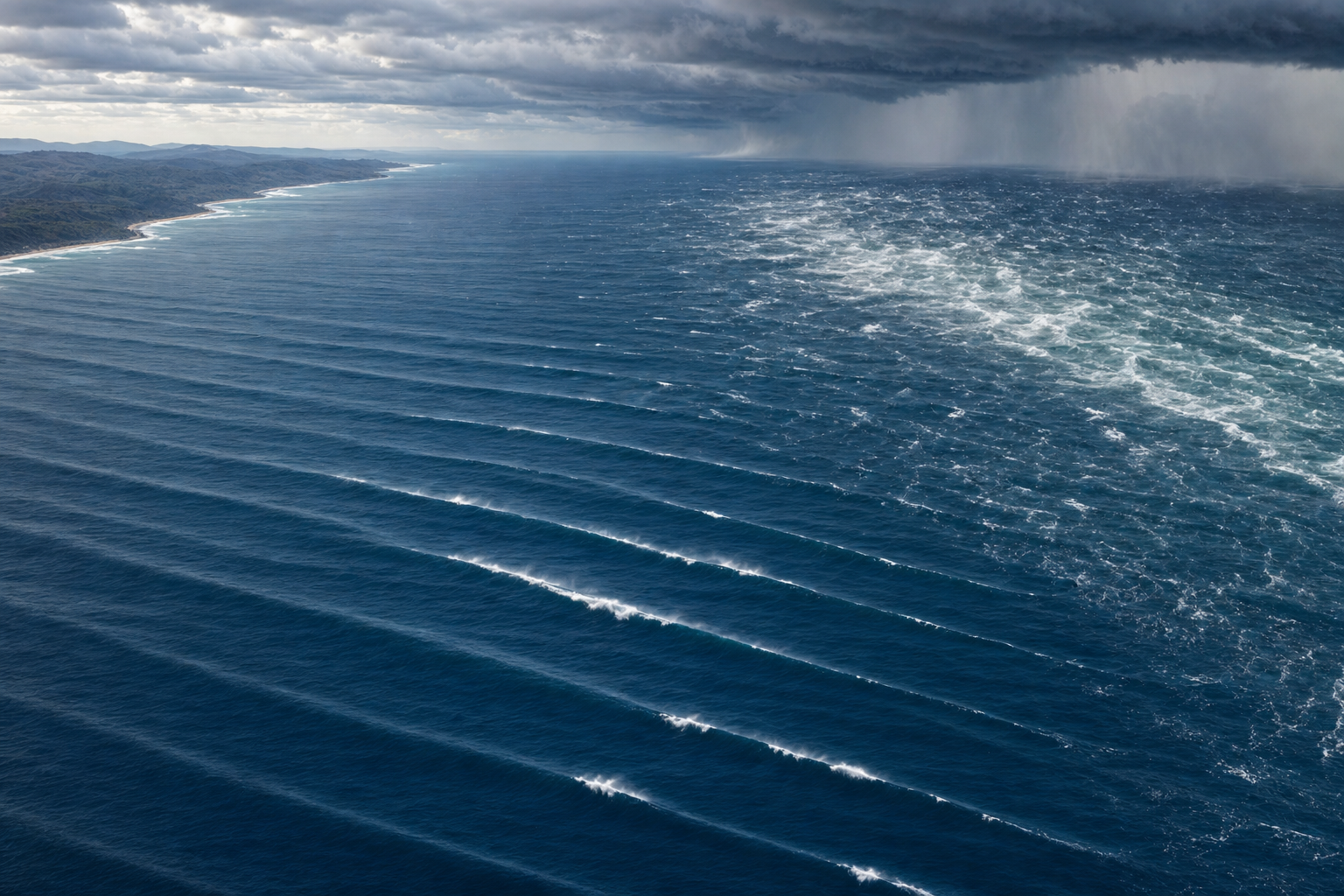
The Tasman Sea is one of the most productive swell engines for the east coast of Australia and the west coast of New Zealand. It can produce everything…

The North Sea can look deceptively small on a map compared with the Atlantic, but it’s one of Europe’s most fascinating surf environments. It’s shallow, consistently stormy, tide-dominated,…
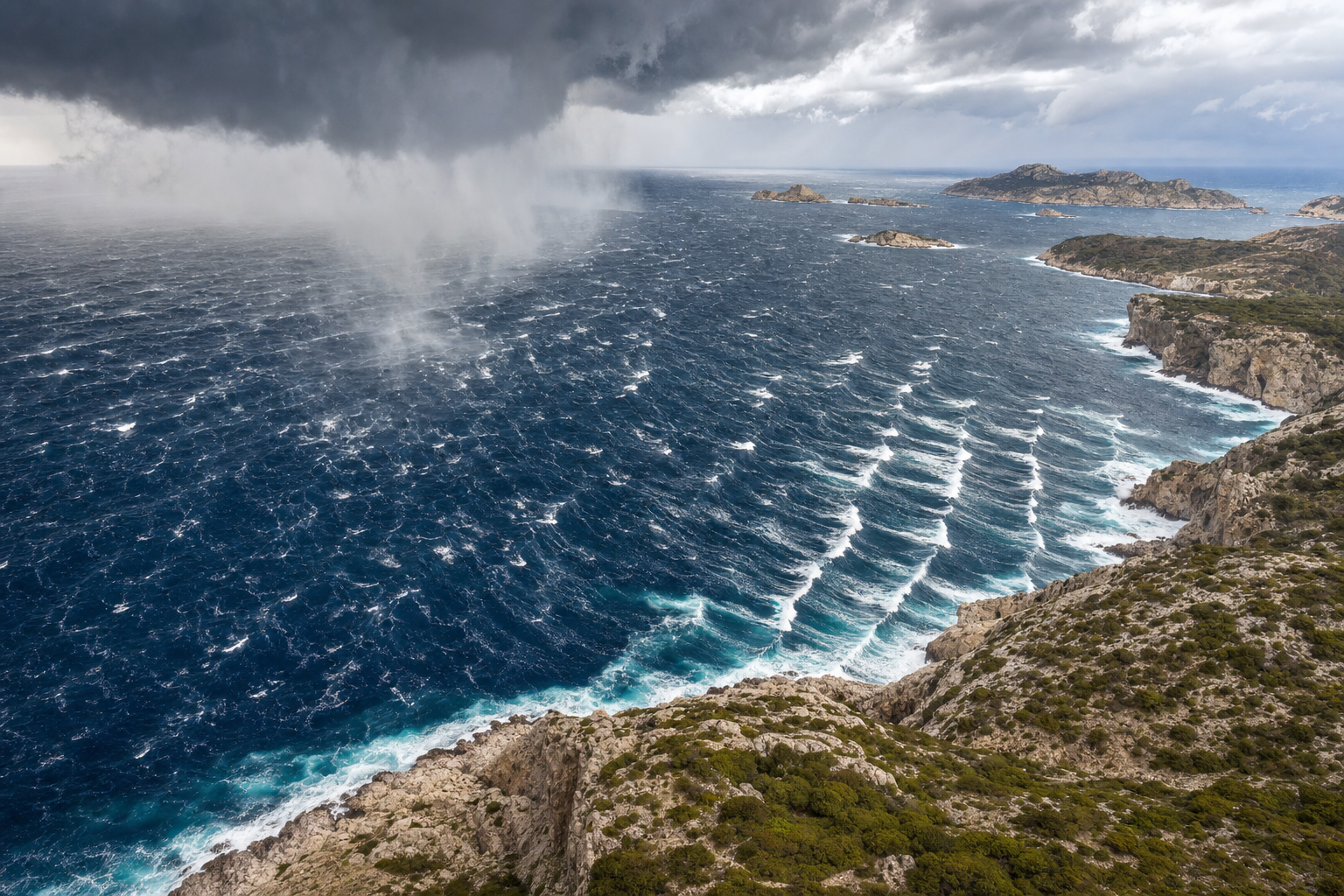
The Mediterranean Sea can look deceptively calm, but when the right storm pattern arrives, it can produce powerful, clean, surfable waves. Unlike open-ocean surf zones, the Mediterranean doesn’t…
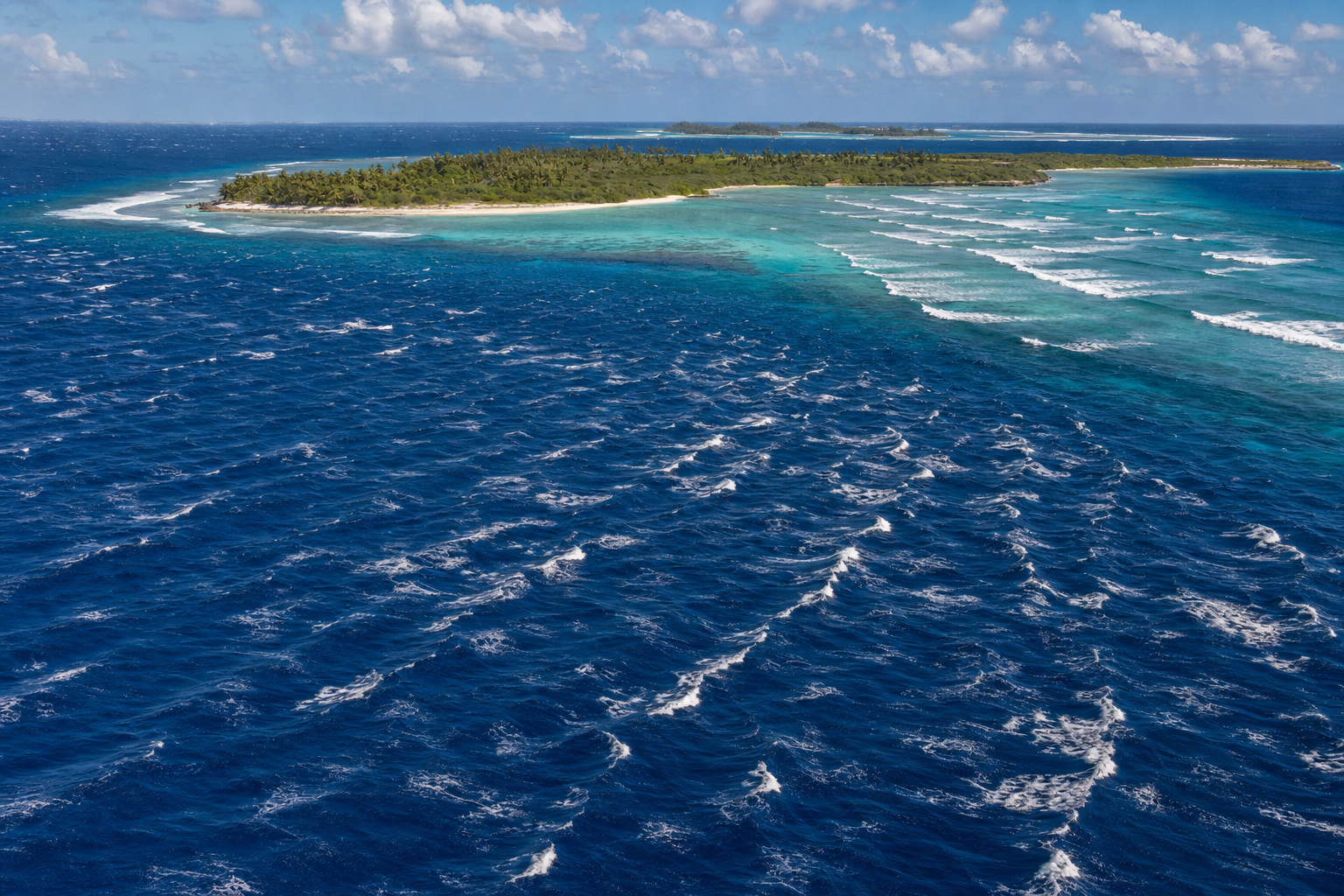
Caribbean surf is created by a surprisingly varied mix of weather systems. A knee-high trade-wind wave in Barbados, a long-period north swell in Puerto Rico, and a hurricane…
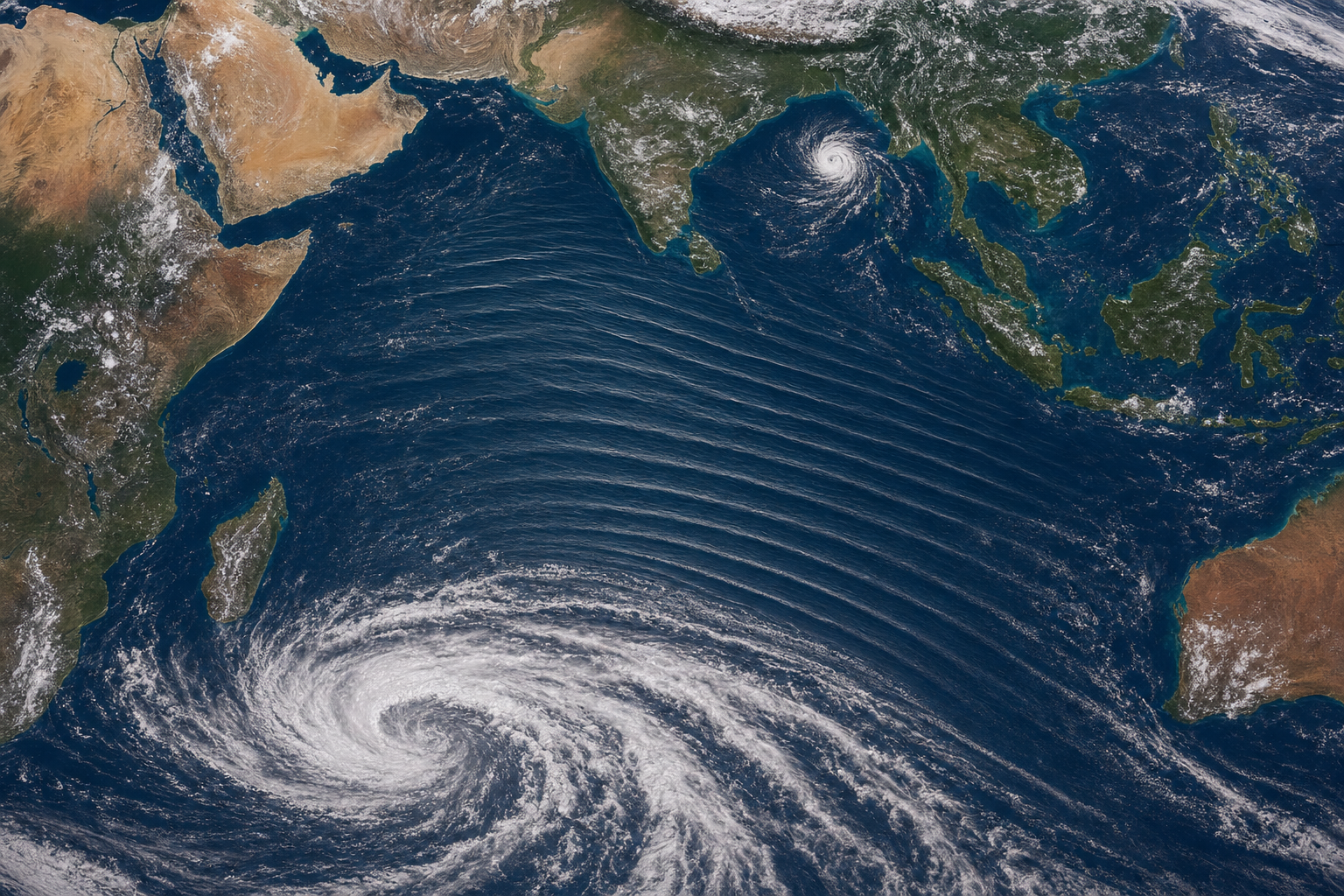
The Indian Ocean is one of the world’s great swell engines. Its southern edge is open to the Roaring Forties and Furious Fifties, where powerful low-pressure systems spin…
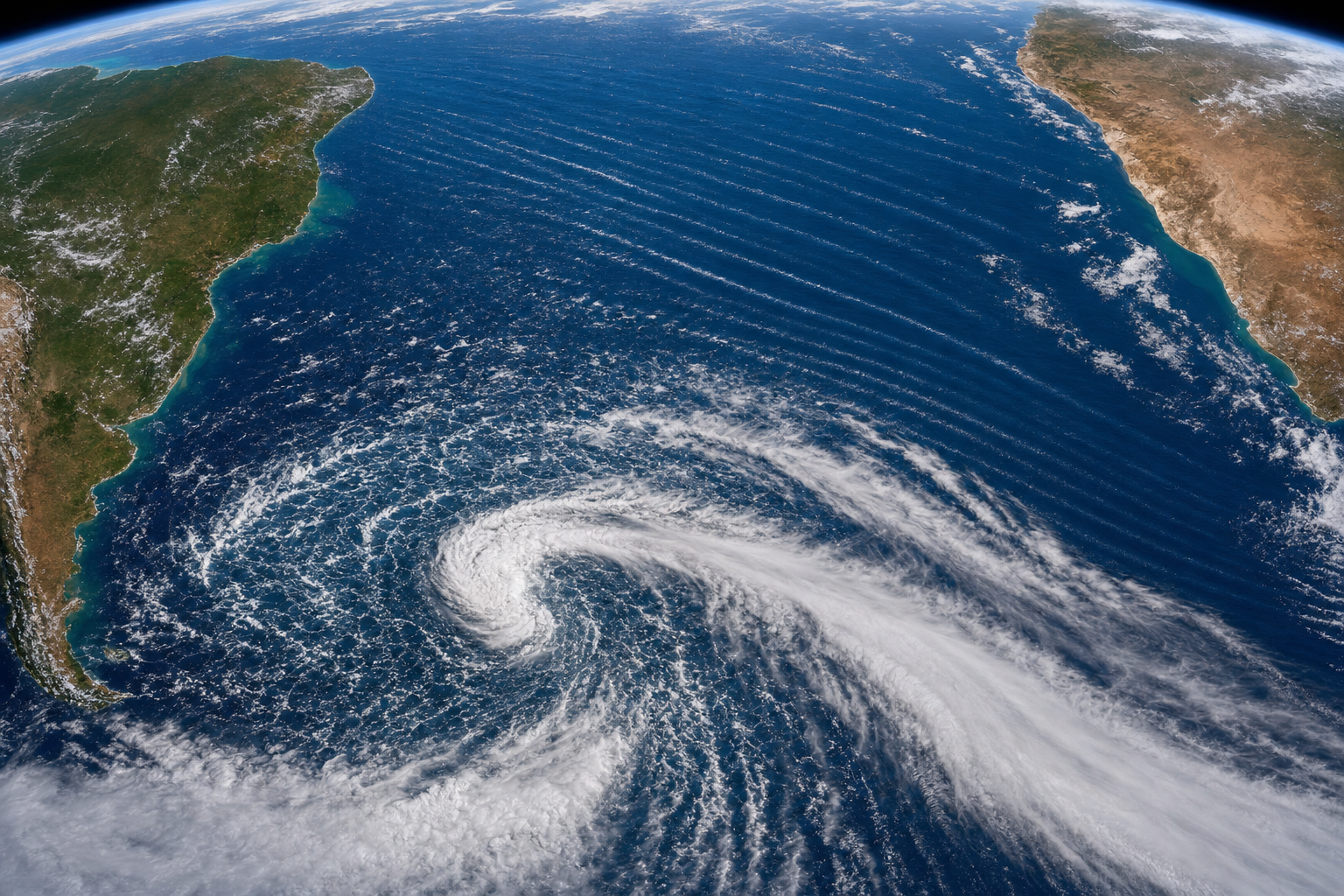
The South Atlantic is one of surfing’s most underappreciated swell engines. It doesn’t get the same attention as the North Atlantic hurricane corridor or the North Pacific winter…
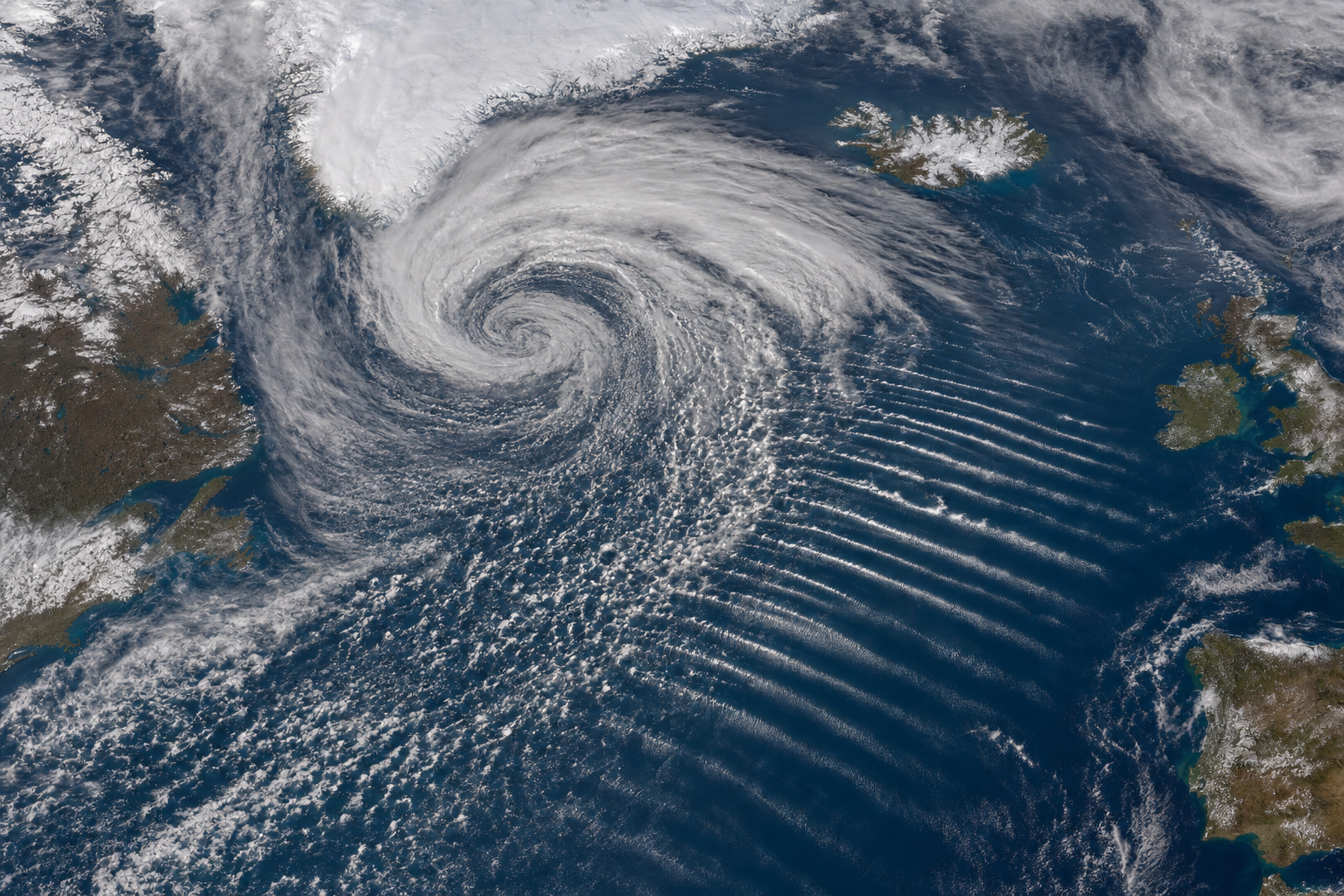
The North Atlantic is a wave-making machine. Storms sit where warm subtropical water meets cold polar air, fast jet streams, and long uninterrupted stretches of open ocean. When…
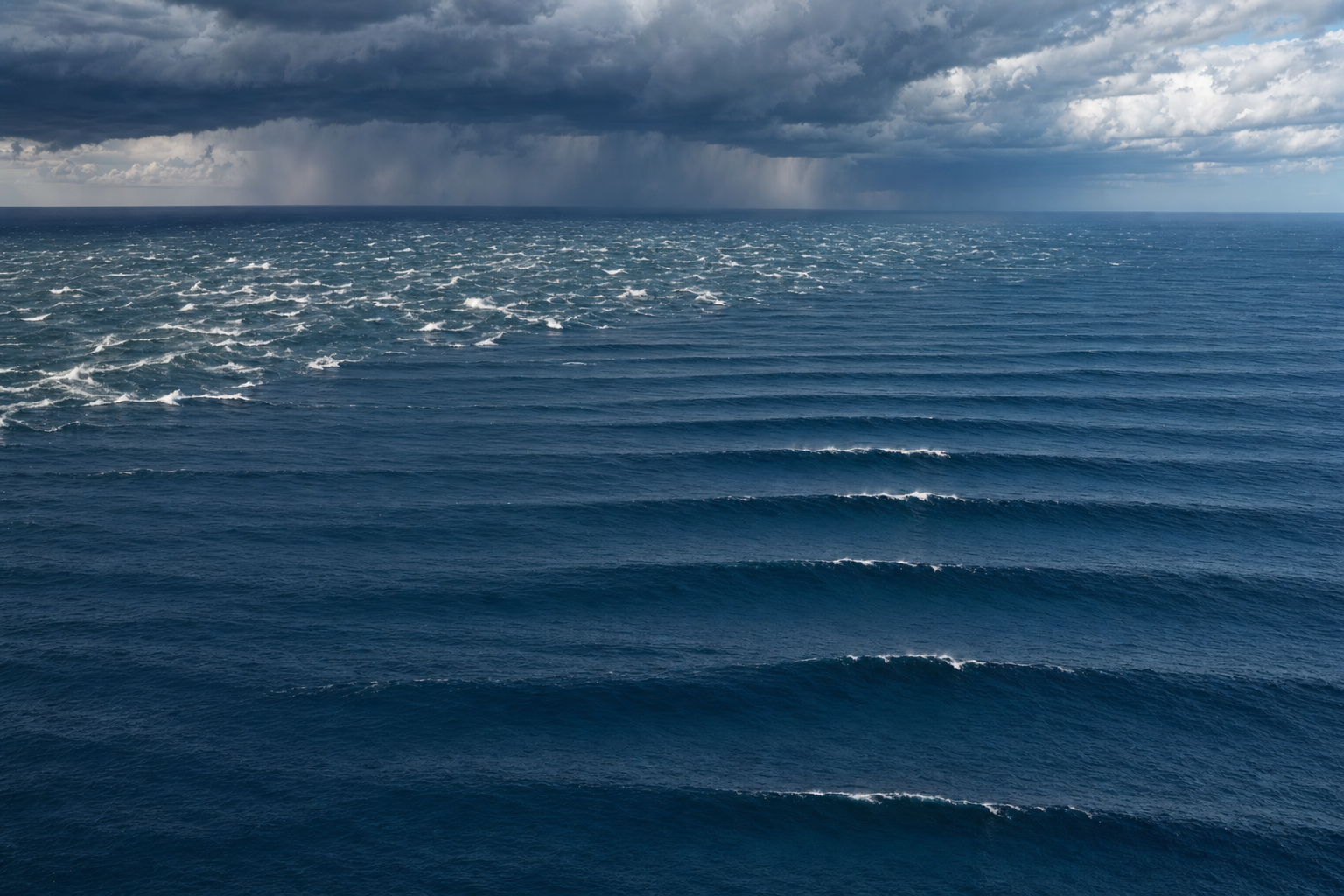
The South Pacific is one of the world’s great swell engines. A storm thousands of miles south of New Zealand can send long-period lines to Tahiti, Hawaii, California,…
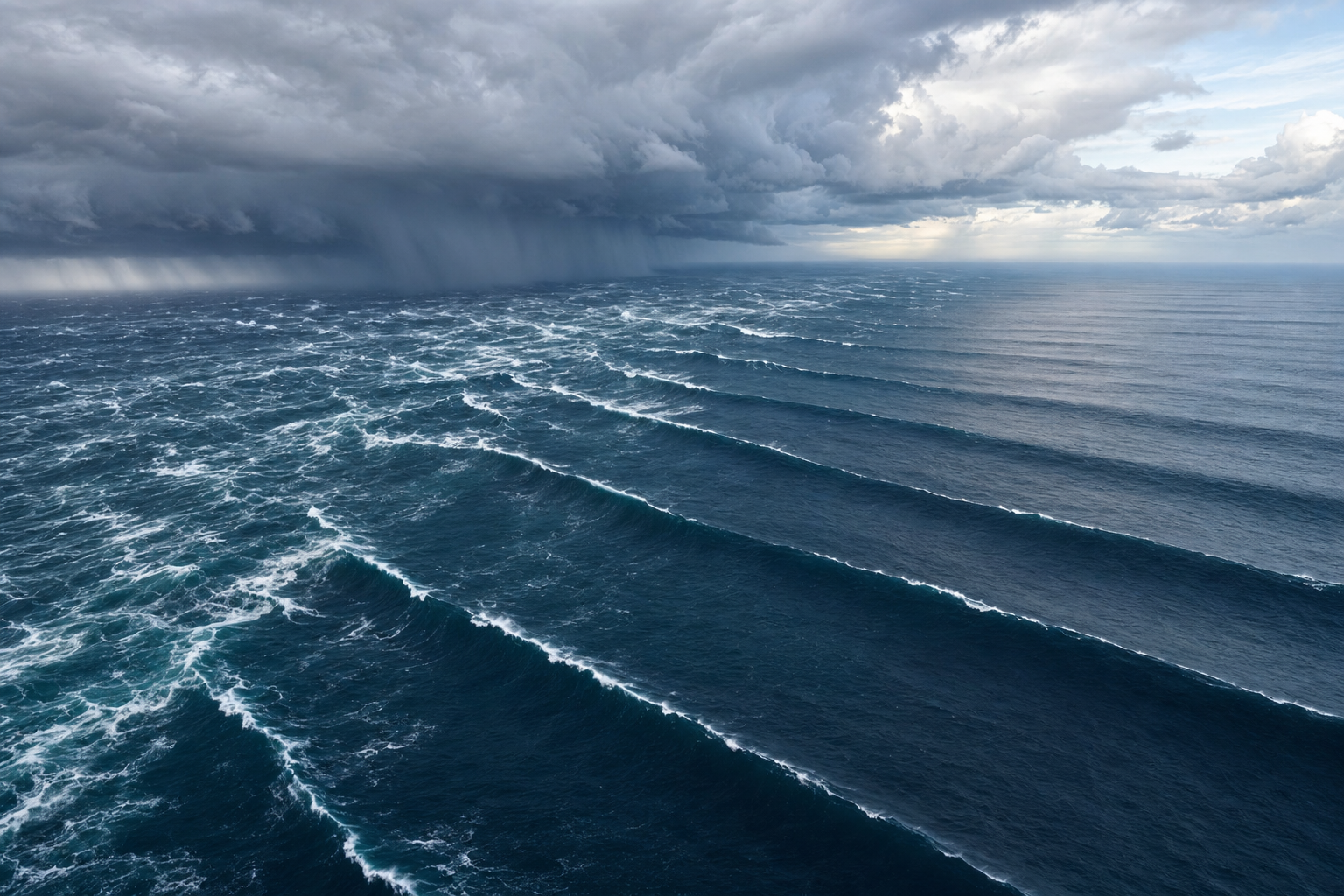
North Pacific swell generation is one of the most important engines in global surf forecasting. A single winter storm south of the Aleutian Islands can send long-period swell…